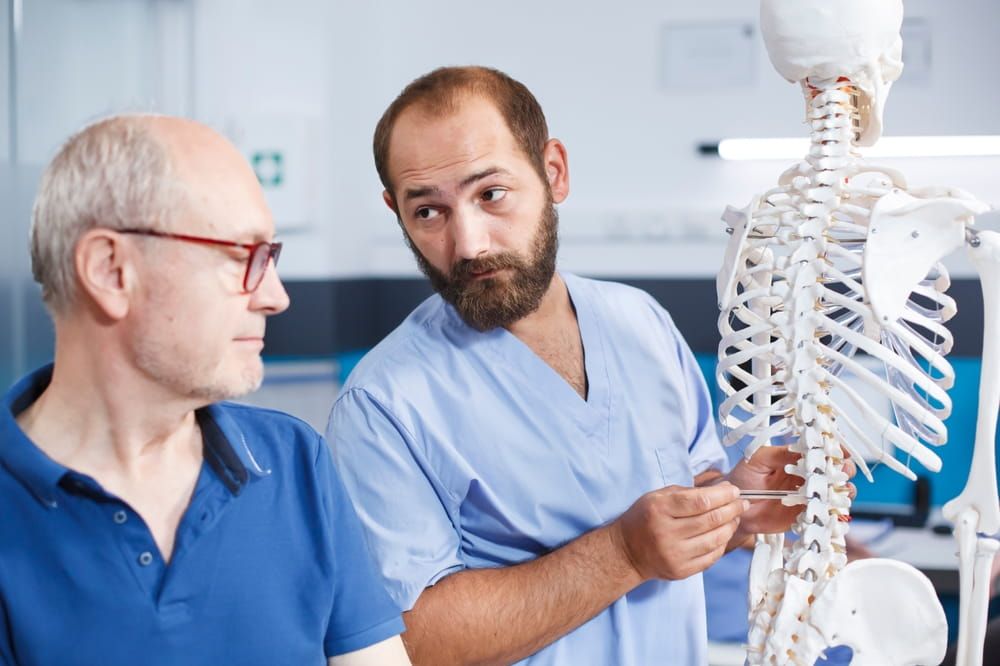
A spinal cord injury (SCI) can significantly affect mobility, sensation, and overall nervous system function. These injuries occur when trauma, compression, or disease damages the spinal cord, interrupting communication between the brain and the body. Because the spinal cord serves as the primary pathway for transmitting signals that control movement, sensation, and autonomic functions, disruption of this pathway can lead to paralysis, muscle weakness, sensory loss, and other neurological symptoms.
Traditional rehabilitation programs typically begin soon after the injury and focus on restoring mobility, strength, and independence through physical therapy and occupational therapy. These therapies are essential for improving function and preventing complications such as muscle atrophy or joint stiffness. However, spinal cord recovery does not always end when conventional therapy programs conclude. Many patients continue seeking solutions that support long-term neurological healing and functional improvement.
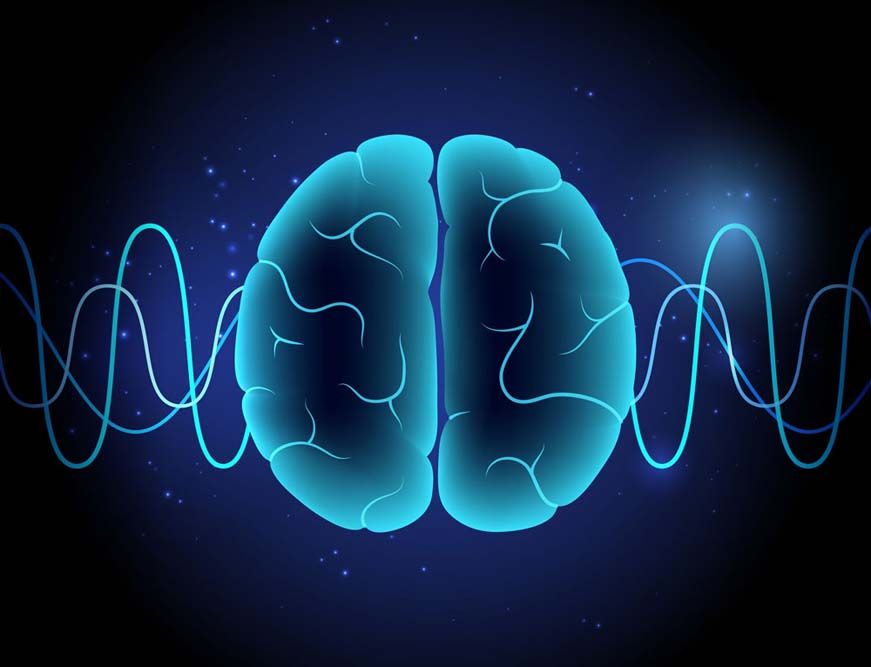
Modern rehabilitation approaches emphasize the brain and spinal cord’s ability to adapt through neuroplasticity. Neuroplasticity refers to the nervous system’s capacity to reorganize and form new neural connections in response to training and stimulation. Integrative neurological programs, including those emphasized at Axon Integrative Health, explore ways to stimulate these adaptive processes to help patients continue progressing beyond standard rehabilitation timelines.
Neuroplasticity and the Nervous System’s Ability to Adapt
For many years, spinal cord injuries were thought to cause permanent neurological loss with limited potential for improvement. However, emerging research has shown that the nervous system retains some capacity for adaptation even after significant injury. Although damaged nerve fibers may not fully regenerate, the brain and spinal cord can sometimes create alternative pathways that help restore certain functions.
Rehabilitation programs that emphasize neuroplasticity focus on repeatedly stimulating the neural circuits involved in movement and sensory processing. Repetition, sensory feedback, and targeted neurological exercises encourage the brain to strengthen existing pathways and recruit new ones to compensate for damaged areas.
Advanced neurological assessments can help identify which areas of the brain and nervous system may benefit from targeted therapy. Technologies such as a QEEG Brain Map in Denver measure electrical brain activity and may reveal patterns that influence motor control, attention, and neurological recovery. Understanding these patterns can help guide individualized rehabilitation strategies that support brain reorganization.
Cognitive and neurological training programs such as Neuro Cognitive Training in Denver may also support recovery by strengthening communication between the brain and spinal cord. These programs target reaction time, coordination, and information processing, which are important for rebuilding neurological control over movement.
Neurological Stimulation Therapies
In addition to exercise-based rehabilitation, modern neurological care may include therapies designed to stimulate the brain and nervous system directly. These approaches aim to activate neural circuits that have become underactive following injury.
One example is Transcranial Magnetic Stimulation TMS in Denver. TMS uses targeted magnetic pulses to stimulate specific regions of the brain responsible for movement, mood regulation, and neurological coordination. Research suggests that stimulating these regions may help enhance neuroplasticity and support motor recovery in individuals with neurological injuries.
Another brain-based therapy is Neurofeedback in Denver. Neurofeedback provides real-time feedback about brainwave activity, allowing individuals to learn how to regulate their brain patterns over time. This therapy may help improve focus, emotional stability, and cognitive performance while supporting the nervous system’s ability to adapt.
Neurological stimulation therapies are often combined with movement training and sensory rehabilitation to create a more comprehensive recovery strategy.
Movement Rehabilitation and Functional Training
While physical therapy focuses on restoring strength and mobility, advanced rehabilitation programs often incorporate neurological movement training designed to retrain the brain’s control over muscles and joints. Movement patterns are controlled by complex neural networks that rely on feedback from the body’s sensory systems.
A detailed evaluation such as a Functional Movement Assessment in Denver can help identify imbalances in coordination, posture, and muscle activation. These insights allow clinicians to design targeted exercises that stimulate neurological pathways responsible for movement.
Rehabilitation strategies may include programs such as Corrective Exercise in Denver, which focuses on restoring proper movement mechanics and improving stability. When the brain receives clearer sensory feedback from muscles and joints, it can begin refining its motor control signals.
Flexibility and neuromuscular coordination can also be improved through techniques like PNF Stretching in Denver. This method enhances communication between nerves and muscles while improving range of motion.
Sensory training exercises, such as Sensory Motor Integration in Denver, help retrain the brain to process sensory information more effectively. Improving sensory feedback is essential for rebuilding movement coordination and balance after spinal cord injury.
For some patients, neurological performance training tools such as FitLight Training in Denver can improve reaction time and visual-motor coordination. These exercises challenge multiple brain regions simultaneously and may strengthen neural connections involved in movement control.
Supporting Nervous System Recovery Through Whole-Body Health
Spinal cord rehabilitation is influenced by more than neurological therapy alone. The body’s metabolic health, circulation, and oxygen delivery all play important roles in nervous system recovery. When these systems are optimized, the nervous system may function more efficiently.
Diagnostic testing such as Blood Lab Testing in Denver can identify nutrient deficiencies, inflammation markers, and metabolic imbalances that may affect neurological health. Addressing these factors through nutrition and targeted supplementation may support nerve function and cellular repair.
Oxygen delivery is another factor that influences neurological healing. Treatments such as HBOT in Denver increase oxygen availability to tissues by allowing patients to breathe oxygen in a pressurized environment. Increased oxygen delivery may support cellular metabolism and reduce inflammation within the nervous system.
Additional therapies that support metabolic health include IV nutrient infusions such as IV Hydration and IV Therapy in Denver at Axon. These treatments deliver vitamins, antioxidants, and metabolic cofactors directly into the bloodstream, supporting cellular energy production and overall neurological function.
Expanding Possibilities for Long-Term Rehabilitation
Although spinal cord injuries present significant challenges, advances in neurological rehabilitation continue to expand the possibilities for recovery. Modern treatment approaches increasingly recognize that the nervous system remains adaptable and capable of change long after the initial injury.
Comprehensive rehabilitation programs combine neurological stimulation, movement training, cognitive therapy, and metabolic support to create an environment that encourages neuroplasticity. Rather than focusing solely on symptom management, these approaches aim to improve communication between the brain and spinal cord and support the body’s natural healing processes.
Axon Integrative Health emphasizes the importance of a brain-body approach when addressing complex neurological conditions. For individuals in Denver, Cherry Creek, Cherry Hills, Highlands, and Greenwood Village, exploring advanced rehabilitation strategies may open new opportunities for improving mobility, independence, and quality of life following a spinal cord injury.
Resources
Dietz, V., & Fouad, K. (2014). Restoration of sensorimotor functions after spinal cord injury. Brain.
Fawcett, J. W., Curt, A., Steeves, J. D., et al. (2007). Guidelines for the conduct of clinical trials for spinal cord injury. Spinal Cord.
Raineteau, O., & Schwab, M. E. (2001). Plasticity of motor systems after incomplete spinal cord injury. Nature Reviews Neuroscience.