
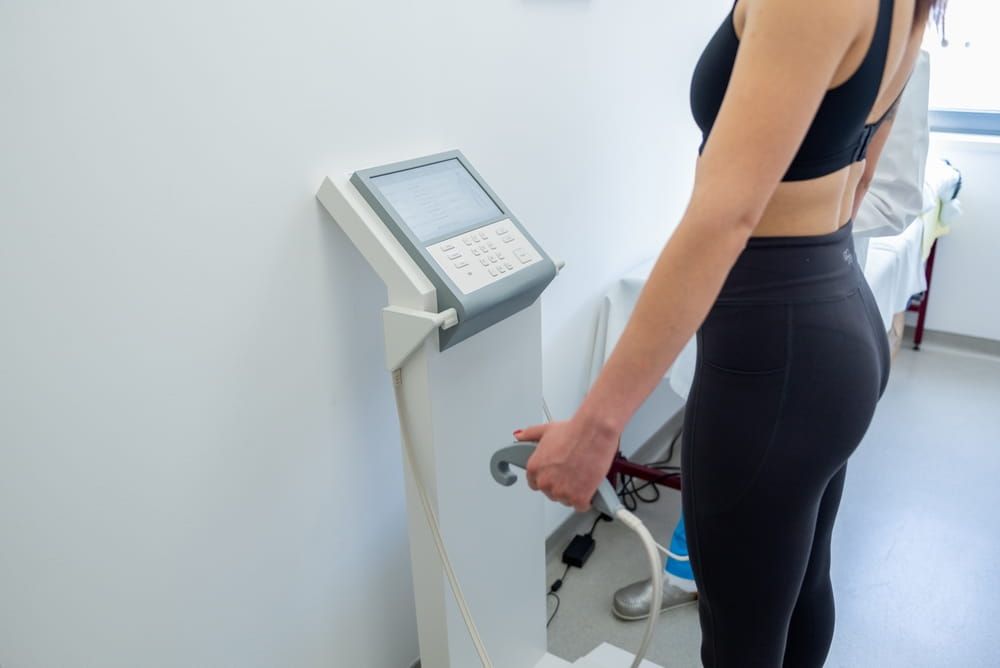
Changing body composition does not necessarily require an invasive procedure, an extreme diet, or time away from work and exercise. Body recomposition is the gradual process of reducing body fat while preserving or building lean muscle mass. Because these changes occur through consistent adjustments to nutrition, physical activity, resistance training, and recovery, people can generally continue participating in their usual routines.
For individuals in Denver, Cherry Creek, Cherry Hills, Highlands, and Greenwood Village, Axon Integrative Health provides a useful point of context for understanding the relationship between metabolism, muscle development, and long-term human performance. Although body weight may change during recomposition, the scale is not the only measurement that matters. Improvements in strength, energy, physical capacity, waist circumference, and muscle definition can all reflect meaningful progress.
Why Body Recomposition Is Different From Weight Loss
Traditional weight-loss plans tend to focus primarily on reducing the number shown on a scale. Body recomposition takes a broader view by considering what the body is made of. Two people can weigh the same amount while having very different proportions of muscle, fat, bone, and water. Even within the same person, body weight may remain relatively stable while fat mass decreases and lean tissue increases.
This distinction matters because rapid weight loss does not always come entirely from body fat. Aggressive calorie restriction may also contribute to losses in muscle tissue, stored carbohydrates, and water. Losing lean mass can make it harder to maintain strength and physical function. A recomposition-oriented approach instead emphasizes gradual fat reduction while providing the muscles with sufficient training and nutritional support.
Progress may therefore appear slower when it is judged only by scale weight. Clothing may fit differently, strength may increase, and measurements may change even when total body weight moves only slightly. Evaluating several indicators can provide a clearer picture of whether the plan is producing the desired physical changes.
The Role of Resistance Training
Resistance training is one of the central components of body recomposition because muscle requires a reason to be maintained or developed. Exercises using free weights, machines, resistance bands, or body weight create a stimulus that encourages muscular adaptation. As the body becomes accustomed to a particular workload, the exercises can gradually become more challenging through additional resistance, repetitions, range of motion, or complexity.
The goal is not simply to complete exhausting workouts. Productive training involves applying enough resistance to challenge the muscles while allowing adequate recovery between sessions. A well-structured program typically addresses the major movement patterns of the body, including pushing, pulling, squatting, hinging, carrying, and rotating. Exercise selection should also reflect the individual’s experience, physical limitations, and performance goals.
Training quality is especially important when exercise intensity increases. Poor movement control can shift stress away from the intended muscles and toward joints or surrounding tissues. Corrective exercise in Denver can be understood as one method of addressing mobility, stability, or coordination limitations that interfere with efficient exercise. Improving movement quality may help a person train more consistently, which is essential for long-term recomposition.
Nutrition That Supports Fat Loss and Muscle Retention
Body recomposition requires enough nutritional structure to encourage fat loss without depriving the body of what it needs to recover and maintain muscle. For many people, this involves a modest calorie deficit rather than severe restriction. A smaller, sustainable adjustment may support gradual fat reduction while leaving enough energy for resistance training, daily movement, and normal responsibilities.
Protein is particularly important because it provides amino acids used in muscle repair and growth. Protein needs vary according to body size, activity level, age, training experience, and overall calorie intake. Rather than concentrating nearly all protein into one meal, many people find it practical to include a meaningful source at several meals throughout the day. Foods such as eggs, poultry, fish, dairy products, tofu, beans, lentils, and lean meats can contribute to total intake.
Carbohydrates and dietary fats also have important functions. Carbohydrates provide energy for demanding exercise, while fats support cell function, nutrient absorption, and hormone production. Eliminating entire macronutrient groups is generally unnecessary for body recomposition. A more sustainable eating pattern includes nutrient-dense foods, adequate fiber, appropriate portions, and enough flexibility to be maintained over time.
Understanding Metabolism Before Changing the Plan
Metabolism describes the processes through which the body converts food and stored energy into fuel. Individual energy needs are influenced by body size, lean mass, age, activity, genetics, sleep, and other factors. Because these variables differ, a calorie target or meal plan that works for one person may not produce the same response in another.
Information from metabolic testing may help explain how much energy the body uses under specific conditions. However, no single measurement can capture every factor influencing body composition. Daily movement, food intake, training consistency, stress, and sleep patterns still need to be considered when interpreting progress.
Plateaus do not automatically mean the metabolism is broken. As body weight, activity, or training habits change, energy needs may also shift. People may unintentionally move less when eating fewer calories or become less precise with portions over time. Before making an aggressive adjustment, it is helpful to review the complete routine and determine whether the current plan has been followed consistently for an adequate period.
Hormones, Health, and Individual Variation
Hormones help regulate appetite, energy use, reproduction, stress responses, sleep, and the maintenance of muscle and bone. Changes in thyroid function, sex hormones, insulin regulation, or stress physiology can affect how a person feels and performs. However, body composition cannot usually be explained by one hormone in isolation.
When symptoms such as persistent fatigue, unexplained weight changes, reduced exercise tolerance, disrupted menstrual cycles, or significant changes in strength occur, appropriate medical evaluation may be warranted. Hormone testing in Denver is one way laboratory information may be gathered, but results must be interpreted alongside symptoms, medical history, medications, and other findings.
Laboratory values should not be used to encourage unnecessary supplementation or promise a particular appearance. Body recomposition remains influenced by training, nutrition, recovery, and adherence even when an underlying health issue is identified. The purpose of evaluating health factors is to understand possible obstacles and make informed decisions, not to replace foundational habits.
Recovery Is Part of the Program
Muscle does not develop only during a workout. Training creates a stimulus, while adaptation occurs during the recovery period that follows. Repeatedly adding exercise without allowing enough recovery can reduce performance, disrupt sleep, and make consistency more difficult. More training is not automatically better when the body cannot adapt to the workload.
Sleep is one of the most important recovery habits. Insufficient or irregular sleep can affect hunger, energy, motivation, and exercise quality. Rest days, lower-intensity movement, hydration, and stress management also contribute to the ability to train consistently. Recovery needs may increase during periods of heavy training, work stress, illness, or reduced calorie intake.
A program that causes constant soreness or exhaustion may need to be adjusted. Mild muscular fatigue can be expected after challenging exercise, but ongoing pain or declining performance should not be ignored. Body recomposition is supported by a repeatable routine, not by repeatedly pushing the body beyond its capacity to recover.
Measuring Progress Beyond the Scale
Because muscle gain and fat loss may occur at the same time, body weight alone can be misleading. A more complete evaluation can include circumference measurements, progress photographs, strength records, exercise performance, clothing fit, and body-composition estimates. Each method has limitations, so trends over time are usually more informative than a single reading.
Daily weight fluctuations commonly result from hydration, sodium intake, digestion, hormonal changes, and stored carbohydrates. Comparing weekly averages may provide more useful information than reacting to individual weigh-ins. Measurements and photographs should also be taken under similar conditions to improve consistency.
Progress should be evaluated over months rather than days. Muscle development is gradual, and sustainable fat loss rarely occurs in a perfectly straight line. A slower approach can still be highly productive when it supports better strength, stable energy, and habits that can continue after the initial goal is reached.
Sustainable Change Without Pausing Daily Life
Body recomposition without downtime is based on improving the body’s composition through progressive training, balanced nutrition, sufficient recovery, and realistic monitoring. It does not require withdrawing from normal activities while waiting for swelling, discomfort, or procedural restrictions to resolve. Instead, the process is incorporated into daily life and adjusted as the body responds.
The most effective plan is one that reflects the individual’s health, schedule, exercise experience, and goals. Consistency matters more than perfection, and small adjustments maintained over time often produce more durable results than short periods of extreme effort. Axon Integrative Health serves as a local point of context for people throughout Denver, Cherry Creek, Cherry Hills, Highlands, and Greenwood Village who want to better understand body composition, metabolic health, recovery, and physical performance.
Resources
Lopez, P., Taaffe, D. R., Galvão, D. A., et al. (2022). Resistance Training Effectiveness on Body Composition and Body Weight Outcomes in Individuals With Overweight and Obesity Across the Lifespan: A Systematic Review and Meta-analysis. Obesity Reviews.
Wewege, M. A., Desai, I., Honey, C., et al. (2022). The Effects of Resistance Training in Healthy Adults on Body Fat Percentage, Fat Mass and Visceral Fat: A Systematic Review and Meta-analysis. Sports Medicine.
Nunes, E. A., Colenso-Semple, L., McKellar, S. R., et al. (2022). Systematic Review and Meta-analysis of Protein Intake to Support Muscle Mass and Function in Healthy Adults. Journal of Cachexia, Sarcopenia and Muscle.