A concussion is more than just a head injury; it is a complex event that involves both physical trauma and chemical disruption in the brain. Healing requires a targeted approach that supports both recovery and neurological rehabilitation.
Understanding Concussions
A concussion involves two primary injuries:
- Physical Injury – A forceful impact causes structural changes in the brain- particularly the axon.
- Chemical Injury – A disruption in neurotransmitters and energy metabolism leads to inflammation, impaired communication, and decreased function of neurons.
Potential Symptoms by System
Brain: Memory issues, difficulty concentrating, brain fog, mood swings, sensitivity to light/noise
Body: Fatigue, headaches, dizziness, neck pain, nausea, coordination difficulties
Mind: Anxiety, depression, irritability, sleep disturbances, emotional dysregulation
Five Subtypes of Concussions
Determining which concussion subtype(s) you have is crucial for developing an effective recovery plan:
- Blood Flow/Autonomic Dysfunction – Issues with heart rate, blood pressure, dizziness, temperature regulation, exercise intolerance
- Metabolic/Hormonal/Inflammatory – Fatigue, hormonal imbalances, increased inflammation, difficulty with stress tolerance
- Oculomotor/Visual/Vestibular/Proprioceptive – Eye strain, dizziness, balance issues, difficulty reading or focusing
- Cervicogenic – Neck pain, tension headaches, stiffness, dizziness related to neck movement
- Frontal-Limbic/Psychological/Cognitive – Difficulty with memory, concentration, mood swings, anxiety, depression
Priorities during the first 2 weeks post concussion (blunting the inflammatory response):
- Light Grade Exercises – Daily
- Increase caloric intake by 100-200 calories – primarily Carbohydrates and Fats
- Double your Water intake – add salt
- Breathwork – Daily
- Proper rest and sleep – not doom scrolling or binging TV, but breathing, moving, and grounding along with proper relaxation and good sleep
Take these supplements:
- Omega 3 (DHA dominant) – 2,000mg/day
- Magnesium Glycinate and L-Threonate – 600mg each/day
- B-Vitamins- 1 standard dose/ day
- Creatine Monohydrate- 10g/day
- Glutathione Liposomal- 600mg/day
- Glutashield (GI support) – 1 scoop/day
- NeuroOptimizer (Jarrow Formulas) – 4 caps/day
- Bonus Supps: CardioPerformance (Quicksilver), HistaAid (Quicksilver), HeroProtocol, BCAAs, and or UltraBinder (Quicksilver)
At-Home Strategies for Recovery
- Graded Exercise & Neurological Stimulation
● Start with light movement (walking, stretching) and progress gradually. Follow the Return to Play Protocol
● Include brain-based exercises like eye tracking, balance work, and coordination drills. - Breathwork & Nervous System Regulation
● Practice diaphragmatic breathing and vagus nerve stimulation techniques.
● Engage in mindfulness practices to calm the brain and body. - Sleep Hygiene
● Maintain a consistent sleep schedule.
● Reduce blue light exposure before bed.
● Use relaxation techniques to enhance deep sleep. - Diet & Nutrition
● Focus on anti-inflammatory foods (omega-3s, antioxidants, lean proteins).
● Eat about 100-200 calories more per day during the first week after
● Avoid processed foods, sugar, and alcohol.
● Stay hydrated – double your water intake – and support gut health with probiotics.
- Community & Emotional Support
● Surround yourself with supportive people.
● Engage in activities that promote a positive mindset and stress relief. - Supplements
Include these supplements for the first week after a concussion:
● Omega 3 (DHA dominant) – 2,000mg/day
● Magnesium Glycinate and L-Threonate – 600mg each/day
● B-Vitamins- 1 standard dose/ day
● Creatine Monohydrate- 10g/day
● Glutathione Liposomal- 600mg/day
● Glutashield (GI support) – 1 scoop/day
● NeuroOptimizer (Jarrow Formulas) – 4 caps/day
● Bonus Supps: CardioPerformance (Quicksilver), HistaAid (Quicksilver), HeroProtocol, BCAAs, and or UltraBinder (Quicksilver)
Therapies to Look For
Most concussions will heal after a 2 week period of active recovery however getting checked by a specialist is important to the recovery trajectory, effectively reducing the time for recovery in half if seen within the first 7 days of injury. Proper recovery involves a graded return to activity, both cognitive and physical, and can take as little as 7 days or as long as 17 weeks, but full resolution is achievable and sustainable.
If symptoms persist, seeking professional therapies can significantly enhance recovery:
- Graded Neurorehabilitation – Personalized brain-based exercises
- Functional Medicine – Addressing inflammation, hormones, and metabolism
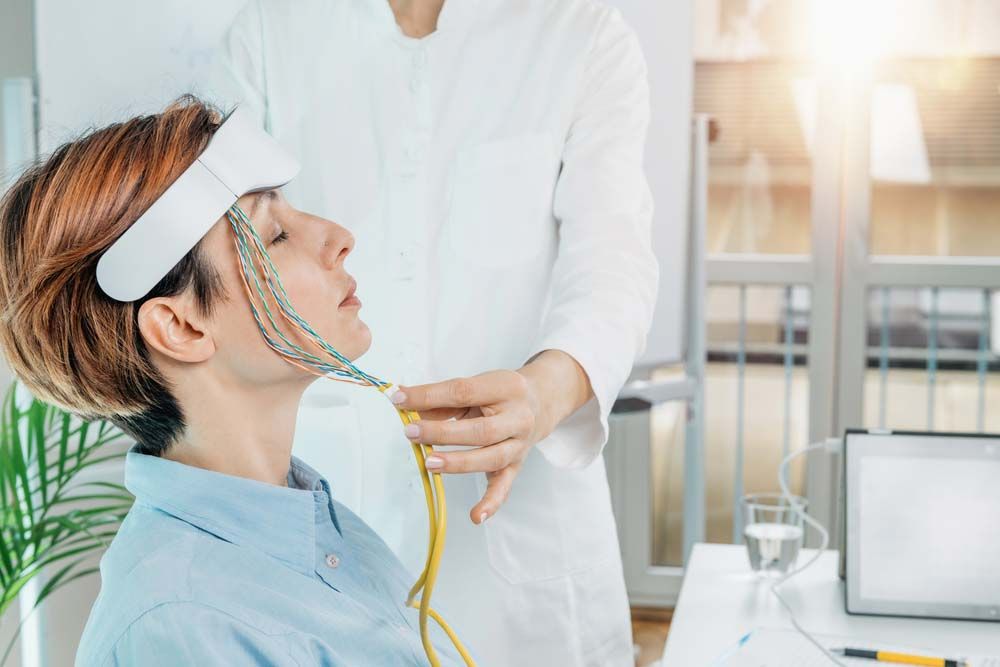
- Neurofeedback – Retraining brainwave patterns
- Red Light Therapy – Enhancing cellular repair and reducing inflammation
- IV Therapy – Supporting brain metabolism and detoxification
- Chiropractic Care – Addressing cervicogenic issues, proprioception, and nervous system balance
- PEMF (Pulsed Electromagnetic Field Therapy) – Enhancing cellular energy and repair
- Hyperbaric Oxygen Therapy (HBOT) – Increasing oxygenation and reducing inflammation
Additional Recovery Tips
- Gradually increase brain demands (puzzles, reading, strategic games) while prioritizing rest and recovery.
- Focus on fueling the brain with proper nutrition, hydration, and supplementation.
- Support autonomic regulation through structured movement, stress management, and targeted rehabilitation exercises.
Healing from a concussion is a process, not a timeline. By addressing the root causes of dysfunction and implementing a comprehensive recovery plan, you can restore cognitive function, feel connected, regain energy, and return to a high quality of life
Here at Axon
At Axon, we take a comprehensive approach to assessing and treating concussions. Our assessments and diagnostics include:
- Comprehensive Functional Neurological Examination
- qEEG Brain Map
- Buffalo Treadmill Exercise Testing
- Cognitive and Neuropsych Evaluations
- Computerized Balance Assessments
- Sensory Motor Integrations
- Oculomotor Analysis
- Pupilometrics
- Blood Labs
- Metabolic Breath Analysis
- Specialty Labs (as needed) – Gut, neurotransmitters, OATs, MycoTox, etc.
By compiling this data, we gain a complete picture of your neurology, physiology, and psychology (Brain-Body-Mind) to deliver the best care tailored to your goals.
Healing from a concussion takes time and effort. At Axon, we guide patients through the Axon Big 5 – Nutrition, Sleep, Exercise, Breath, and Community – followed by individualized support for:
- Brain Function
- Gut health
- Neurotransmitter balance
- Metabolic regulation
- Inflammatory control
- Musculoskeletal control
- Movement patterns
- Pain regulation
- Brain connectivity
We implement targeted functional neurorehabilitation techniques, including:
- Neuromuscular Re-education
- Physical Medicine
- Chiropractic Care(beyond just adjustments)
- NeuroAcupuncture
- Sensory Motor Integration
- Photobiomodulation
- TLNS (Translingual Neurostimulation)
- Vagus Nerve Stimulation
- Neuromuscular Electrical Stimulation
- Peripheral Nerve Stimulation
- TMS (Transcranial Magnetic Stimulation)
- tDCS (Transcranial Direct Current Stimulation)
- Neurofeedback
- Functional Movement Therapy
- Compression Therapy
- Dry Needling
- PEMF
- Audio Visual Entrainment
- IV Therapy
- Hyperbaric Oxygen Therapy
- Supplements
We work on all layers of your “health onion” and address each section of Brain-Body-Mind that needs support—targeted, just for you.