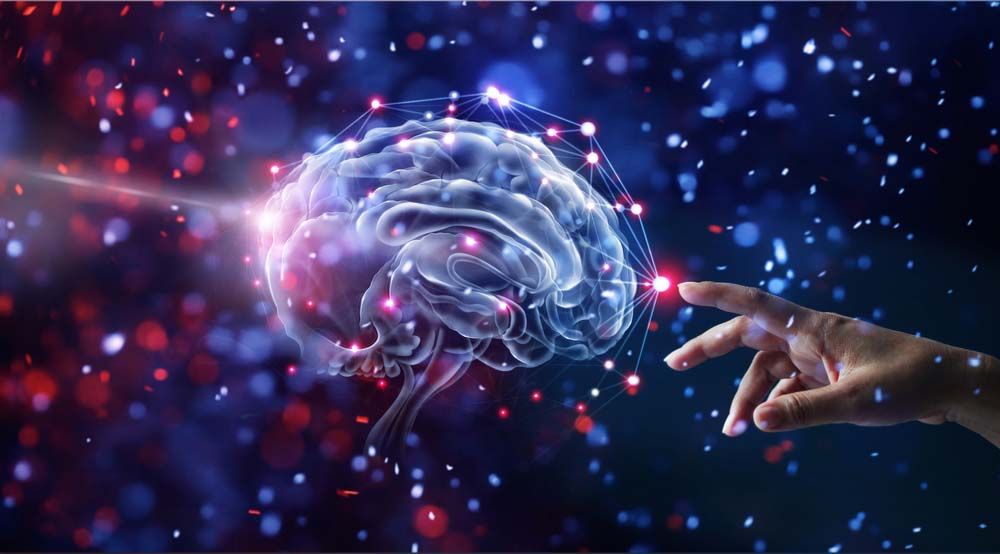
Brain mapping is an advanced method used to analyze patterns of electrical activity in the brain. One of the most widely used forms of brain mapping is quantitative electroencephalography, commonly known as QEEG. This technology measures brainwave activity and compares it with normative databases to identify patterns that may be associated with cognitive, emotional, or neurological challenges.
The brain communicates through electrical signals generated by billions of neurons. These signals form rhythmic patterns called brainwaves, which change depending on mental states such as concentration, relaxation, or sleep. A QEEG records these patterns and converts them into visual maps that show how different regions of the brain are functioning.
Educational resources from Axon Integrative Health often discuss brain mapping as part of a broader effort to understand how the brain and body interact. For individuals in Denver, Cherry Creek, Cherry Hills, Highlands, and Greenwood Village who are exploring ways to better understand cognitive performance, emotional regulation, or neurological symptoms, brain mapping can provide a deeper look into the brain’s activity patterns.
How a QEEG Brain Map Works
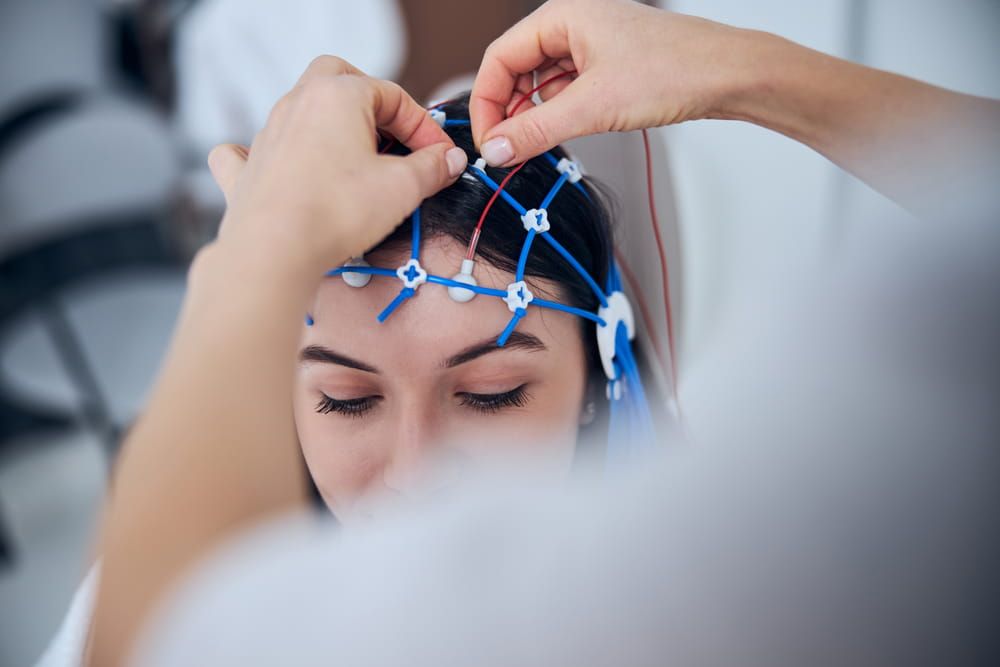
A QEEG brain map begins with a standard electroencephalogram (EEG), which records electrical signals from the brain using sensors placed on the scalp. These sensors detect brainwave activity without sending any electrical stimulation into the brain. The process is non-invasive and designed to capture natural patterns of neural communication.
During the recording process, individuals may be asked to sit quietly with their eyes open or closed while the brain’s activity is measured. The recorded data is then processed using specialized software that analyzes thousands of data points across multiple brain regions. The results are transformed into color-coded maps that illustrate where brainwave activity may be higher or lower than expected.
These maps allow clinicians and researchers to observe how different brain regions interact. For example, areas involved in attention, emotional regulation, and sensory processing may show distinctive patterns that provide insight into neurological functioning. Resources such as QEEG Brain Map in Denver explain how this type of assessment can help visualize brain activity in a detailed and measurable way.
Brain mapping does not diagnose conditions on its own, but it can provide valuable information that helps guide further evaluation and treatment planning.
What Brain Mapping Can Reveal About Brain Function
QEEG brain maps provide insight into how different brain networks are functioning. Because the brain operates through interconnected systems, imbalances in electrical activity can sometimes correlate with cognitive or emotional symptoms.
Researchers have identified several brainwave types that reflect different mental states. Beta waves are associated with alertness and active thinking, while alpha waves often appear during relaxed awareness. Theta waves may emerge during creativity or deep relaxation, and delta waves dominate during deep sleep. When these patterns become dysregulated, individuals may experience symptoms related to focus, mood, or cognitive performance.
Brain mapping may reveal patterns associated with challenges such as attention difficulties, mental fatigue, sleep disturbances, or emotional dysregulation. Understanding these patterns can help guide strategies aimed at supporting balanced brain activity. Educational materials such as Neuro Cognitive Training in Denver explore how targeted brain exercises may help strengthen neural networks involved in focus and cognitive processing.
QEEG data can also provide insights into how different brain regions communicate with each other. If certain areas are underactive or overactive relative to others, it may indicate inefficiencies in neural communication that affect cognitive performance or emotional stability.
Brain Mapping and Neuroplasticity
One of the most important reasons brain mapping is used in neurological care is its connection to neuroplasticity. Neuroplasticity refers to the brain’s ability to reorganize itself by forming new neural connections throughout life. This adaptability allows the brain to learn new skills, adapt to stress, and recover from injury.
A QEEG brain map can serve as a starting point for understanding which neural networks may benefit from targeted training. By identifying patterns of brain activity, clinicians and researchers can develop strategies designed to strengthen specific brain regions or communication pathways.
For example, therapies such as Neurofeedback in Denver use real-time feedback from brainwave activity to help individuals learn how to regulate their own brain patterns. Through repeated training sessions, the brain gradually learns to shift toward more balanced activity patterns, which may support improvements in focus, mood regulation, and cognitive resilience.
Because the brain adapts through repeated stimulation, combining brain mapping with structured brain training may help reinforce new neural connections over time.
Applications of Brain Mapping in Neurological Care
Brain mapping is used across several areas of neurological and psychological research. It is commonly explored as part of evaluations related to attention disorders, concussion recovery, emotional regulation challenges, and cognitive performance optimization.
Individuals recovering from neurological injury may explore brain mapping as a way to better understand how brain activity has changed after trauma. For example, educational resources about Concussion Rehab in Denver discuss how brain function can shift after head injuries and how rehabilitation strategies may encourage recovery through neuroplasticity.
Brain mapping may also be used in performance training environments. Athletes and professionals who rely heavily on cognitive performance sometimes explore brain mapping to understand how focus, reaction time, and mental endurance relate to neural activity patterns.
Tools designed to challenge brain-body coordination, such as FitLight Training in Denver, may complement cognitive training programs by strengthening sensory processing and reaction speed. These types of activities stimulate neural circuits that support coordination, attention, and decision-making under pressure.
A Deeper Look at Brain Health
Understanding brain function is an evolving area of neuroscience. Technologies such as QEEG brain mapping allow researchers and clinicians to explore how brain networks operate in ways that were not possible decades ago. While brain mapping does not provide all the answers about neurological health, it offers a valuable window into the brain’s electrical activity.
Educational resources from Axon Integrative Health emphasize the importance of viewing brain health through a comprehensive lens that includes cognitive training, physical movement, metabolic health, and neurological resilience. By understanding how the brain communicates internally, individuals in Denver, Cherry Creek, Cherry Hills, Highlands, and Greenwood Village can gain insight into strategies that support long-term cognitive performance and overall neurological wellness.
Resources
Thatcher, R. W. (2011). EEG and QEEG in Clinical Practice. Journal of Neurotherapy.
Hammond, D. C. (2011). What Is Neurofeedback: An Update. Journal of Neurotherapy.
Coben, R., Clarke, A. R., Hudspeth, W., & Barry, R. J. (2008). EEG Power and Coherence in Autism Spectrum Disorders. Clinical Neurophysiology.