Chronic joint pain affects millions of people and can significantly impact daily life, mobility, and overall well-being. For individuals living in Denver, Cherry Creek, Cherry Hills, Highlands, and Greenwood Village, long-term joint discomfort can interfere with work, exercise, and recreational activities that are central to Colorado’s active lifestyle. While many people rely on short-term solutions like pain medication or rest, these strategies often fail to address the underlying causes of persistent joint pain.
At Axon Integrative Health, a growing focus has emerged around understanding how the brain, nervous system, muscles, and joints interact to influence long-term pain patterns. Chronic joint discomfort is rarely caused by a single factor. Instead, it often results from a combination of biomechanical imbalances, nervous system dysregulation, inflammation, and poor movement patterns. A more comprehensive approach considers how all these systems work together.
Understanding Why Joint Pain Becomes Chronic
The Role of the Nervous System in Joint Pain
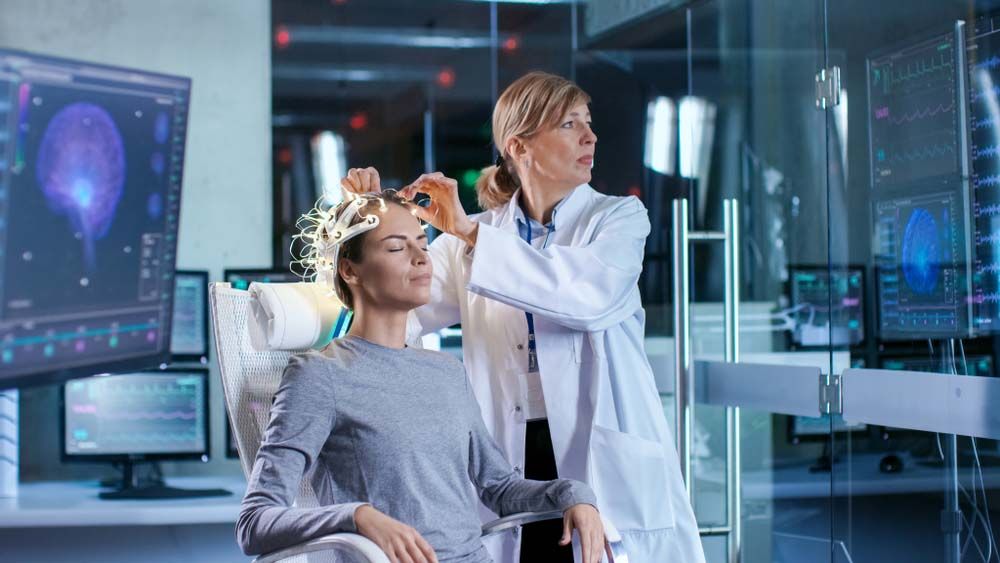
Many people think of joint pain strictly as a structural issue, but the nervous system plays a significant role in how pain is perceived and maintained. The brain constantly processes signals from joints, muscles, and connective tissues. When these signals become distorted due to injury, inflammation, or long-term stress on the body, pain may persist even after the original injury has healed.
Functional neurology emphasizes the connection between the brain and body, recognizing that restoring healthy communication between these systems can improve long-term outcomes. Educational resources such as Denver Chiropractor With a Focus on How the Brain and Body Work Together explore how neurological function can influence musculoskeletal pain and recovery.
When neural pathways become hypersensitive, even small movements or minor inflammation can trigger significant discomfort. Addressing these neurological components is often key to finding sustainable relief rather than temporary symptom management.
Movement Patterns and Biomechanical Stress
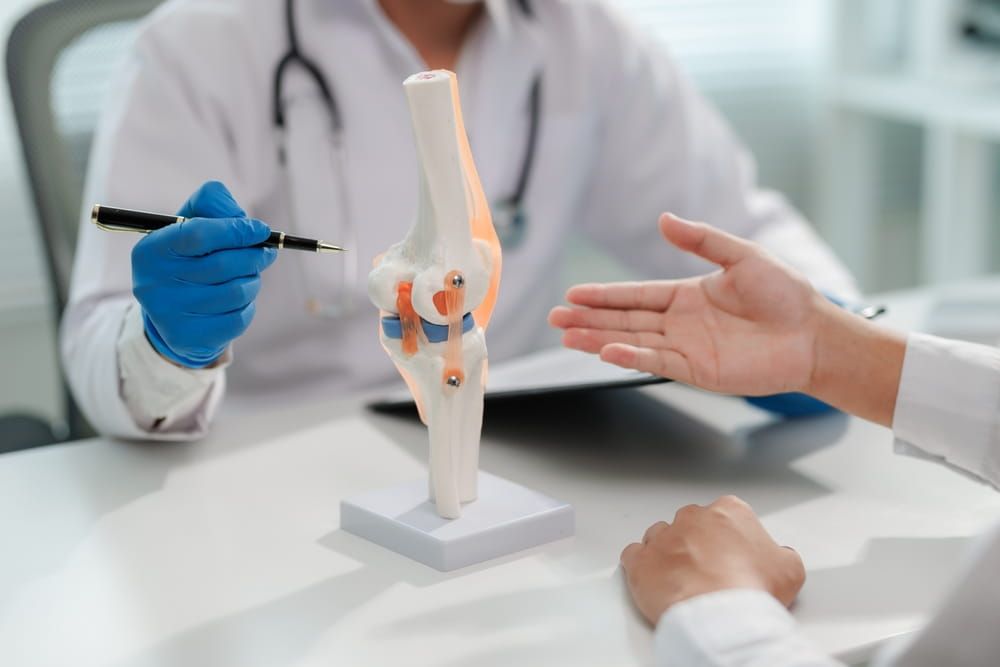
Another major contributor to chronic joint pain is poor movement mechanics. Repetitive strain, muscle imbalances, and limited mobility can place excessive stress on certain joints, leading to gradual degeneration and ongoing discomfort.
A structured evaluation such as a Functional Movement Assessment in Denver can help identify inefficient movement patterns that contribute to joint overload. Once these patterns are recognized, targeted strategies can help redistribute stress across the body and restore healthier movement.
Improving joint mechanics is often one of the most important long-term strategies for reducing chronic pain and preventing recurring injuries.
Therapeutic Approaches That Support Long-Term Recovery
Restoring Mobility and Muscle Balance
Muscle tension, restricted fascia, and limited flexibility frequently contribute to joint discomfort. When surrounding muscles are tight or imbalanced, joints are forced to compensate, which increases wear and tear over time.
Therapies such as Muscle Release in Denver and PNF Stretching in Denver can help restore normal muscle function and reduce excessive strain on joints. These techniques improve circulation, increase range of motion, and help the body move more efficiently.
In many cases, improving muscle coordination and flexibility reduces pressure on joints and supports long-term comfort.
Corrective Exercise and Strength Development
Strength and stability are essential for protecting joints from excessive stress. Corrective exercise programs are designed to target weak or underactive muscles that may be contributing to abnormal joint mechanics.
Programs focused on Corrective Exercise in Denver aim to retrain the body’s movement patterns while improving stability and coordination. Strengthening supportive muscles around the hips, knees, shoulders, and spine often helps relieve pressure on painful joints.
When movement becomes more balanced and controlled, the body is better equipped to handle daily activities without triggering pain.
Advanced Modalities for Persistent Joint Pain
Regenerative and Recovery-Based Therapies
For individuals dealing with stubborn joint conditions, regenerative approaches may offer additional support. Therapies like PRP in Cherry Creek Denver use concentrated platelets from the patient’s own blood to encourage tissue repair and reduce inflammation.
Other modalities such as Shockwave Therapy in Denver stimulate healing responses within damaged tissues. Shockwave therapy has been studied for its ability to improve circulation and promote cellular repair in tendons and ligaments.
These advanced therapies are designed to stimulate the body’s natural healing mechanisms rather than simply masking symptoms.
Neuromuscular Therapies and Pain Modulation
Chronic joint pain often involves ongoing nerve irritation or muscle trigger points that perpetuate discomfort. Techniques such as Dry Needling in Cherry Creek target tight muscle bands and trigger points to reduce tension and improve muscle function.
In addition, neurological-focused therapies like Neuro Acupuncture in Denver Cherry Creek aim to influence nervous system signaling related to pain perception.
By combining structural and neurological approaches, these therapies can help recalibrate how the body processes pain signals.
Lifestyle Factors That Influence Joint Health
Inflammation, Nutrition, and Metabolic Health
Chronic inflammation is a major contributor to joint pain. Diet, metabolic function, hormone balance, and environmental exposures can all influence inflammatory activity within the body.
Diagnostic evaluations such as Blood Lab Testing in Denver and Metabolic Testing can provide insights into underlying factors that may contribute to joint inflammation. Identifying nutrient deficiencies, hormonal imbalances, or metabolic issues can guide more personalized wellness strategies.
Addressing systemic health often improves joint function because inflammation throughout the body directly affects connective tissues and cartilage.
Recovery and Cellular Health
Recovery plays a critical role in long-term joint health. When the body is under constant stress or fatigue, tissues are less capable of repairing themselves after physical activity.
Therapies such as IV Hydration and IV Therapy in Denver at Axon support cellular function by delivering nutrients directly into the bloodstream. Other strategies, including lifestyle adjustments and longevity-focused programs like Longevity and Anti Aging in Denver, emphasize overall recovery and tissue resilience.
Improving the body’s ability to repair itself is a key component of sustainable joint health.
A Comprehensive Approach to Long-Term Joint Relief
Chronic joint pain is rarely solved through a single treatment or quick fix. Lasting relief typically requires a combination of strategies that address biomechanics, nervous system function, inflammation, and overall health.
Education about movement, lifestyle factors, and advanced therapies can empower patients to take a more proactive role in their recovery. By understanding the interconnected nature of the brain, muscles, joints, and metabolism, individuals can pursue more effective and lasting solutions.
Axon Integrative Health continues to explore these comprehensive strategies as part of a broader effort to support patients throughout Denver, Cherry Creek, Cherry Hills, Highlands, and Greenwood Village who are seeking long-term answers for chronic joint pain.
Resources
Hunter, D. J., & Bierma-Zeinstra, S. (2019). Osteoarthritis. The Lancet.
Bennell, K. L., & Hinman, R. S. (2011). A Review of the Clinical Evidence for Exercise in Osteoarthritis of the Hip and Knee. Journal of Science and Medicine in Sport.
Walsh, N. E., & Hurley, M. V. (2009). Evidence Based Guidelines and Current Practice for Osteoarthritis Rehabilitation. Annals of the Rheumatic Diseases.