
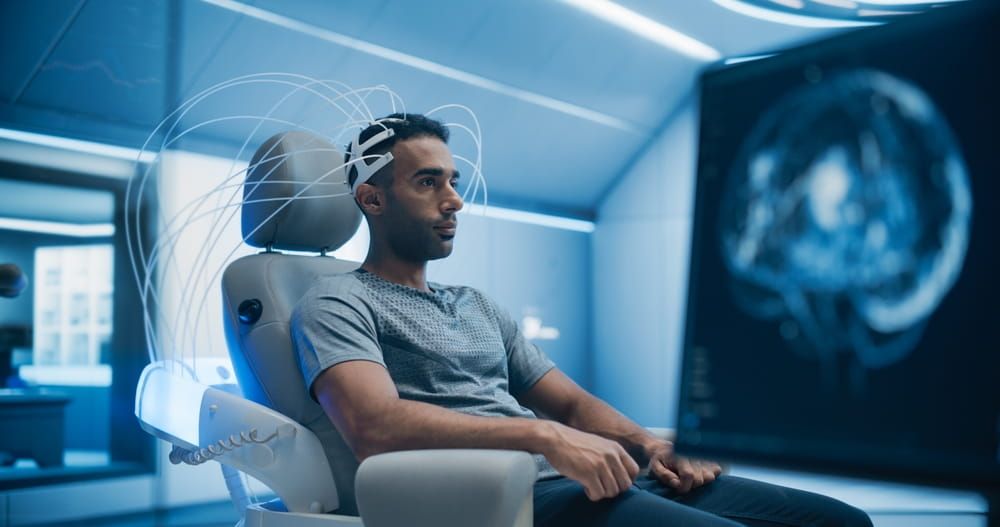
A traumatic brain injury (TBI) can occur when a sudden impact, fall, sports injury, or accident disrupts normal brain function. While some individuals experience symptoms that resolve within weeks, others face longer recovery periods involving cognitive, emotional, and physical challenges. Symptoms may include memory difficulties, concentration problems, dizziness, headaches, sleep disturbances, and changes in mood or energy levels.
Recovery from a brain injury is rarely a single-step process. Instead, it involves gradual neurological repair, adaptation, and rehabilitation. Modern neuroscience has revealed that the brain possesses an extraordinary ability to adapt after injury through a process known as neuroplasticity. This ability allows healthy brain regions to reorganize and compensate for damaged areas, enabling individuals to regain lost skills and develop new neural pathways.
Educational resources from Axon Integrative Health, which serves communities in Denver, Cherry Creek, Cherry Hills, Highlands, and Greenwood Village, often explore how brain and body systems work together during neurological healing. Understanding the science behind brain recovery can help individuals better support the rehabilitation process after a traumatic brain injury.
What Neuroplasticity Means for Brain Healing
Neuroplasticity refers to the brain’s ability to reorganize itself by forming new neural connections. For many years, scientists believed the adult brain had limited ability to change after injury. Research now shows that the brain remains adaptable throughout life, continually reshaping itself in response to experience, learning, and rehabilitation.
After a traumatic brain injury, certain neural networks may be disrupted or weakened. Through repeated stimulation and targeted rehabilitation, other areas of the brain can gradually take on new roles. This process allows the brain to rebuild communication pathways that support movement, thinking, and emotional regulation.
Neuroplasticity is influenced by several factors, including movement, cognitive engagement, sleep quality, and metabolic health. Activities that challenge the brain in structured ways may stimulate the growth of new connections between neurons. Educational articles such as Synaptogenesis and Neuroplasticity Lifestyle Blogs Neurorehab Technology Supplements explore how lifestyle factors and rehabilitation technologies may influence the brain’s capacity to adapt.
Understanding neuroplasticity can be encouraging for individuals recovering from brain injuries because it highlights the brain’s potential to rebuild function over time.
Rehabilitation Strategies That Encourage Neuroplasticity
TBI rehabilitation often focuses on activities that stimulate brain networks and encourage new connections to form. Rather than relying on a single therapy, many recovery programs incorporate multiple strategies designed to engage different neurological systems.
Some approaches commonly used to stimulate neuroplasticity include:
- Cognitive training exercises that improve attention, memory, and processing speed
- Balance and vestibular therapy that strengthens spatial awareness
- Vision therapy to improve oculomotor control and visual processing
- Coordination exercises that integrate brain and body movement
- Neuromodulation therapies designed to support balanced brain activity
Programs focused on neurological recovery may incorporate structured rehabilitation approaches such as TBI Recovery in Denver, which combine cognitive training, movement therapy, and neurological assessment to support recovery.
Assessments also play an important role in understanding how the brain is functioning after injury. For example, tools such as Vision Testing and Oculomotor Exam in Denver help evaluate how visual processing and eye movements may contribute to symptoms such as dizziness, headaches, or difficulty concentrating.
Brain Training and Cognitive Rehabilitation
Cognitive symptoms are among the most common challenges following traumatic brain injury. Individuals may notice slower thinking, difficulty multitasking, reduced memory capacity, or challenges maintaining focus. Cognitive rehabilitation programs aim to strengthen the neural circuits responsible for these skills.
Brain training exercises may involve memory challenges, reaction-time drills, visual tracking tasks, or attention-based activities. Over time, these exercises encourage the brain to build stronger connections between neurons involved in problem-solving and information processing.
Technology-assisted training tools can also be used to enhance rehabilitation. Programs such as Neuro Cognitive Training in Denver focus on improving mental performance by repeatedly stimulating cognitive networks that may have been affected by injury.
Some rehabilitation programs also incorporate performance-based training systems such as FitLight Training in Denver. These systems challenge reaction speed, visual processing, and coordination, helping the brain develop faster communication between sensory and motor pathways.
Because the brain adapts through repetition, consistency in training is often essential for strengthening new neural connections.
Supporting Brain Recovery Through Whole-Body Health
Although traumatic brain injury directly affects the brain, recovery often involves addressing multiple systems throughout the body. Circulation, inflammation, metabolism, and nervous system balance all influence how efficiently the brain heals.
Physical movement plays a critical role in neurological recovery. Controlled exercise increases blood flow to the brain and supports oxygen delivery to healing tissue. Movement training programs such as Sensory Motor Integration in Denver focus on improving communication between sensory systems and motor control, which may help restore coordination and balance.
Advanced recovery therapies may also support neurological healing by improving oxygenation and metabolic function. Some individuals explore options such as HBOT in Denver, which involves breathing oxygen in a pressurized environment to increase oxygen delivery to tissues.
Nutrition, hydration, and metabolic health can also influence recovery. Functional diagnostic testing, such as Blood Lab Testing in Denver, may provide insights into factors like inflammation, nutrient deficiencies, or metabolic stress that can impact neurological healing.
When brain health is supported alongside whole-body wellness, the conditions for neuroplasticity may become stronger.
The Long-Term Potential of Brain Adaptation
One of the most encouraging aspects of traumatic brain injury recovery is the brain’s capacity to continue adapting long after the initial injury. Neuroplastic changes can occur months or even years after trauma when the brain is given the right stimulation and support.
Recovery timelines vary widely among individuals. Some people experience steady improvements over time as neural pathways strengthen and compensation strategies develop. Others may notice progress after introducing new rehabilitation techniques that challenge the brain in different ways.
Educational resources from Axon Integrative Health often emphasize that brain recovery is not simply about repairing damage but about helping the brain adapt and reorganize. By understanding the principles of neuroplasticity, individuals in Denver, Cherry Creek, Cherry Hills, Highlands, and Greenwood Village can gain insight into how rehabilitation strategies may support long-term neurological resilience and improved quality of life.
Resources
Kleim, J. A., & Jones, T. A. (2008). Principles of Experience-Dependent Neural Plasticity. Journal of Speech, Language, and Hearing Research.
Maas, A. I., et al. (2017). Traumatic Brain Injury: Integrated Approaches to Improve Prevention, Clinical Care, and Research. The Lancet Neurology.
Nudo, R. J. (2013). Recovery After Brain Injury: Mechanisms and Principles. Frontiers in Human Neuroscience.