Complex neurological symptoms rarely fit into a simple category. A person may experience dizziness, numbness, headaches, tremors, changes in coordination, muscle tightness, cognitive fatigue, or difficulty walking at the same time. These concerns may involve several interconnected systems, including the brain, spinal cord, peripheral nerves, muscles, vision, and vestibular system. Axon Integrative Health presents this educational overview for individuals in Denver, Cherry Creek, Cherry Hills, Highlands, and Greenwood Village who want to learn more about neuroacupuncture and its relationship to neurological function.
Neuroacupuncture is an approach that combines traditional acupuncture methods with contemporary knowledge of neuroanatomy and neurological rehabilitation. Treatment strategies may include scalp acupuncture, body acupuncture, or stimulation of carefully selected points associated with particular sensory, motor, or autonomic pathways. It is generally considered an adjunctive approach rather than a replacement for medical diagnosis, emergency care, medication management, or conventional neurological rehabilitation.
How Neuroacupuncture Differs From Traditional Acupuncture
Traditional acupuncture developed within Chinese medicine and involves stimulating selected points across the body. Neuroacupuncture builds upon these techniques while placing greater emphasis on the structure and function of the nervous system. Point selection may be informed by the location of symptoms, the affected neural pathways, movement patterns, sensory changes, and findings from a neurological examination.
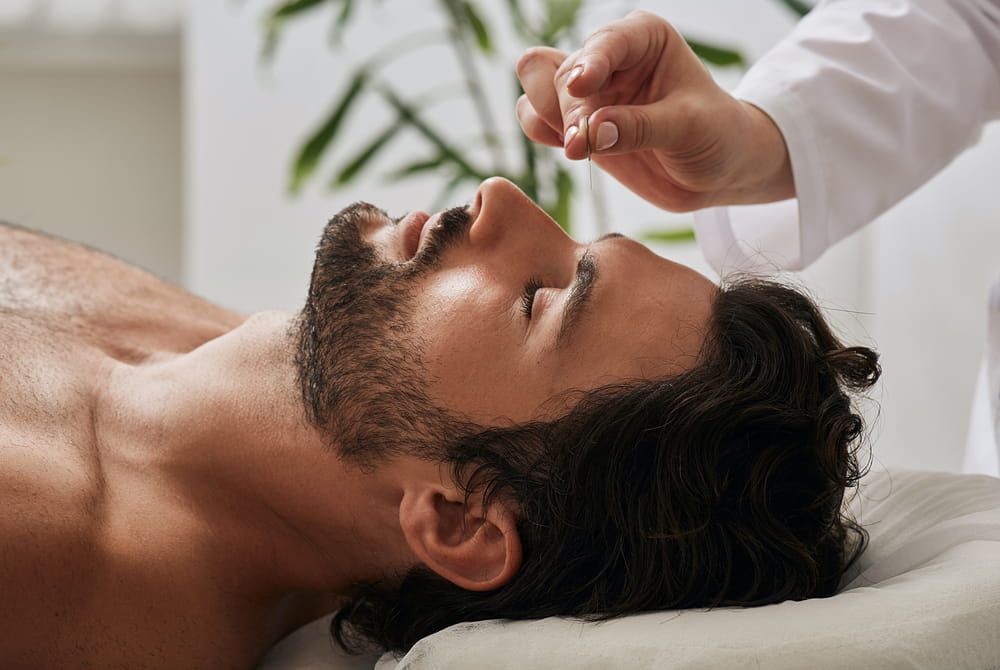
Scalp acupuncture is one of the most recognizable components of neuroacupuncture. Fine needles are inserted into specific regions of the scalp that are selected in relation to functions such as voluntary movement, sensation, speech, balance, vision, or coordination. Some approaches pair needle stimulation with active rehabilitation exercises so that the nervous system receives sensory input while the person practices a meaningful task.
Neuroacupuncture should not be interpreted as directly needling the brain. The needles remain within superficial tissues of the scalp or body. The therapeutic concept is based on stimulating peripheral sensory receptors and neural pathways that communicate with the spinal cord and brain. Researchers continue to investigate how acupuncture may influence pain processing, circulation, neurotransmitter activity, inflammation, and neural circuit behavior.
Why Neurological Symptoms Can Be So Complex
The nervous system does not operate as a collection of isolated parts. Walking, for example, requires coordination among the motor cortex, cerebellum, basal ganglia, spinal cord, peripheral nerves, muscles, joints, eyes, and vestibular system. A disruption within one area may create compensations elsewhere, which is why a neurological condition can affect movement, balance, energy, cognition, and emotional well-being simultaneously.
Symptoms can also change according to the environment. Someone may walk relatively well in a quiet hallway but struggle in a crowded store. Another person may maintain balance while looking straight ahead but become unsteady when turning the head. These variations may reflect differences in sensory demand, fatigue, visual input, attention, or the brain’s ability to integrate information efficiently.
Because similar symptoms can arise from different causes, a diagnosis cannot be made solely by determining where a person feels discomfort or weakness. Numbness could originate from a peripheral nerve, a spinal nerve root, the spinal cord, the brain, a metabolic condition, or another medical issue. Headaches and dizziness can also have many potential explanations. Appropriate medical evaluation remains essential before complementary strategies are considered.
Neurological Conditions Studied in Acupuncture Research
Acupuncture and scalp acupuncture have been investigated in connection with stroke rehabilitation, peripheral neuropathy, migraine, Parkinson’s disease, facial nerve dysfunction, cognitive changes, chronic pain, and other neurological concerns. The amount and quality of evidence vary considerably among conditions. Some studies report encouraging findings, while others are limited by small sample sizes, inconsistent treatment methods, or a risk of bias.
Stroke rehabilitation is among the most extensively studied neurological applications of scalp acupuncture. Researchers have examined whether combining acupuncture with conventional rehabilitation may influence motor function, swallowing, speech, cognition, spasticity, or daily activities. Recent reviews suggest potential benefits for certain outcomes, but they also emphasize limitations in the available studies and the need for more rigorous research.
Peripheral neuropathy has also received research attention. Neuropathy may cause burning, tingling, numbness, altered temperature perception, weakness, or balance problems. These symptoms may result from diabetes, chemotherapy, nutritional deficiencies, autoimmune disorders, nerve compression, or other causes. A systematic review found that acupuncture showed potential for some forms of peripheral neuropathy, although the authors noted that stronger clinical trials were needed. Further context about the many possible features of nerve dysfunction is available through this overview of comprehensive neuropathy care.
The Relationship Between Stimulation and Neuroplasticity
Neuroplasticity is the nervous system’s ability to modify its activity and organization in response to experience. This process contributes to learning, skill development, adaptation, and recovery after certain injuries. Neuroplasticity does not guarantee that every lost function can be restored, but it helps explain why repeated, task-specific practice is central to neurological rehabilitation.
Sensory stimulation may provide the brain with additional information while a person practices movement or cognitive tasks. In neuroacupuncture, this concept may involve pairing needling with activities such as reaching, walking, speaking, maintaining balance, tracking a visual target, or performing coordinated movements. The intention is to combine meaningful practice with targeted sensory input rather than relying on passive stimulation alone.
The timing, repetition, difficulty, and relevance of an activity can all influence motor learning. Tasks should be challenging enough to engage the nervous system without creating unsafe levels of fatigue, pain, or compensation. Educational information about synaptogenesis and neuroplasticity explains how repeated experiences can help reinforce communication among neural networks.
What a Neuroacupuncture Session May Involve
A neurological history is important before treatment begins. Relevant details may include when symptoms started, whether they followed an injury or illness, which activities make them better or worse, and whether they affect vision, hearing, balance, sensation, strength, speech, sleep, or digestion. Medical diagnoses, medications, previous surgeries, cardiovascular concerns, and bleeding risks should also be discussed.
An examination may assess posture, gait, coordination, muscle tone, reflexes, sensation, eye movements, balance, and task performance. The findings can help identify which functions require closer attention, although they do not replace diagnostic imaging, laboratory testing, electrodiagnostic testing, or evaluation by a medical specialist when those services are necessary.
During a session, sterile single-use needles may be placed on selected areas of the scalp or body. The needles may be gently manipulated or combined with mild electrical stimulation when appropriate. Movement, visual, speech, breathing, or balance exercises may also be incorporated. The exact experience depends on the person’s neurological presentation, tolerance, and rehabilitation goals. A broader explanation of this approach is available in neuroacupuncture and neurological conditions.
Safety and Appropriate Expectations
Acupuncture is generally considered safe when performed by a properly trained practitioner who uses sterile needles and appropriate procedures. Temporary soreness, minor bleeding, bruising, fatigue, or lightheadedness can occur. More serious complications are uncommon but may result from improper technique, inadequate infection control, or treatment that does not account for the person’s health history.
People taking blood-thinning medications, those with implanted electrical devices, individuals who are pregnant, and those with certain infections or medical conditions should disclose this information before treatment. New or rapidly worsening neurological symptoms require medical evaluation rather than routine complementary care. Sudden weakness, facial drooping, difficulty speaking, loss of consciousness, severe new headache, chest pain, or abrupt loss of balance may represent an emergency.
It is also important to maintain realistic expectations. Neurological recovery depends on the diagnosis, severity and duration of the condition, overall health, and many other factors. Neuroacupuncture should not be presented as a cure for complex neurological disease. Its role is better understood as one possible component of a broader, individualized rehabilitation strategy.
Seeing the Nervous System as an Integrated Network
Neuroacupuncture reflects a growing interest in combining targeted sensory stimulation with neurological rehabilitation principles. Its potential applications are broad because the nervous system influences movement, sensation, balance, cognition, pain, and automatic body functions. At the same time, the scientific evidence is stronger for some symptoms than others, and many questions remain under investigation.
A careful evaluation, accurate diagnosis, and coordinated plan are especially important when symptoms involve several body systems or have changed over time. Axon Integrative Health shares this information to help people throughout Denver, Cherry Creek, Cherry Hills, Highlands, and Greenwood Village better understand neuroacupuncture as an educational topic within the wider field of neurological care.
Resources
Shin, B. C., Lim, K. T., Lee, M. S., & Kim, J. I. (2025). Effectiveness of Scalp Acupuncture and Comparison With Other Treatments for Stroke: An Overview of Systematic Reviews. Systematic Reviews.
Dimitrova, A., Murchison, C., & Oken, B. (2017). Acupuncture for the Treatment of Peripheral Neuropathy: A Systematic Review and Meta-Analysis. Journal of Alternative and Complementary Medicine.
Zhang, Y., Wang, C., Zhang, X., & Xu, S. (2024). Neural Circuit Mechanisms of Acupuncture Effect: Where Are We Now? Frontiers in Neuroscience.