
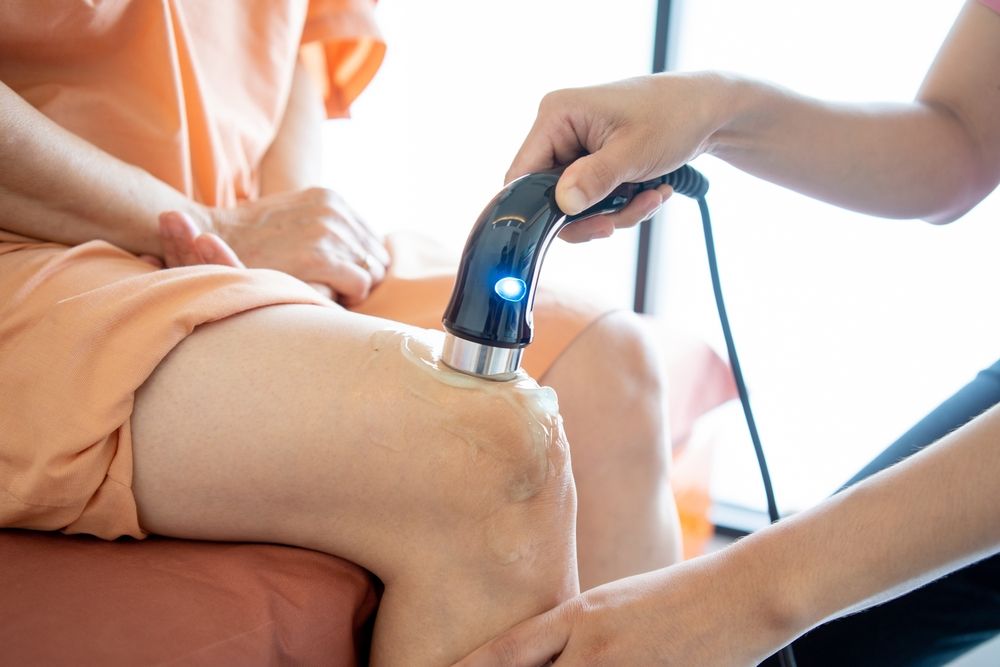
When most people hear about EmSculpt Neo or EmSella, they think about aesthetics.
Body sculpting.
Muscle toning.
Abdominal definition.
Pelvic floor strengthening.
But the underlying technology—High-Intensity Focused Electromagnetic (HiFEM) stimulation—may have applications that go far beyond appearance.
At Axon Integrative Health in Denver, we are interested in how technologies can influence the brain, nervous system, muscles, movement, and overall function.
That is why we look at HiFEM technology not simply as an aesthetic treatment, but as a potential tool for:
- Neuromuscular activation
- Movement rehabilitation
- Muscle recruitment
- Pain rehabilitation
- Functional neurological disorders
- Pelvic floor dysfunction
- Deconditioning
- Chronic pain
- Neuroplasticity-based rehabilitation
- Brain-body connection
- Neurological recovery
What Is HiFEM Technology?
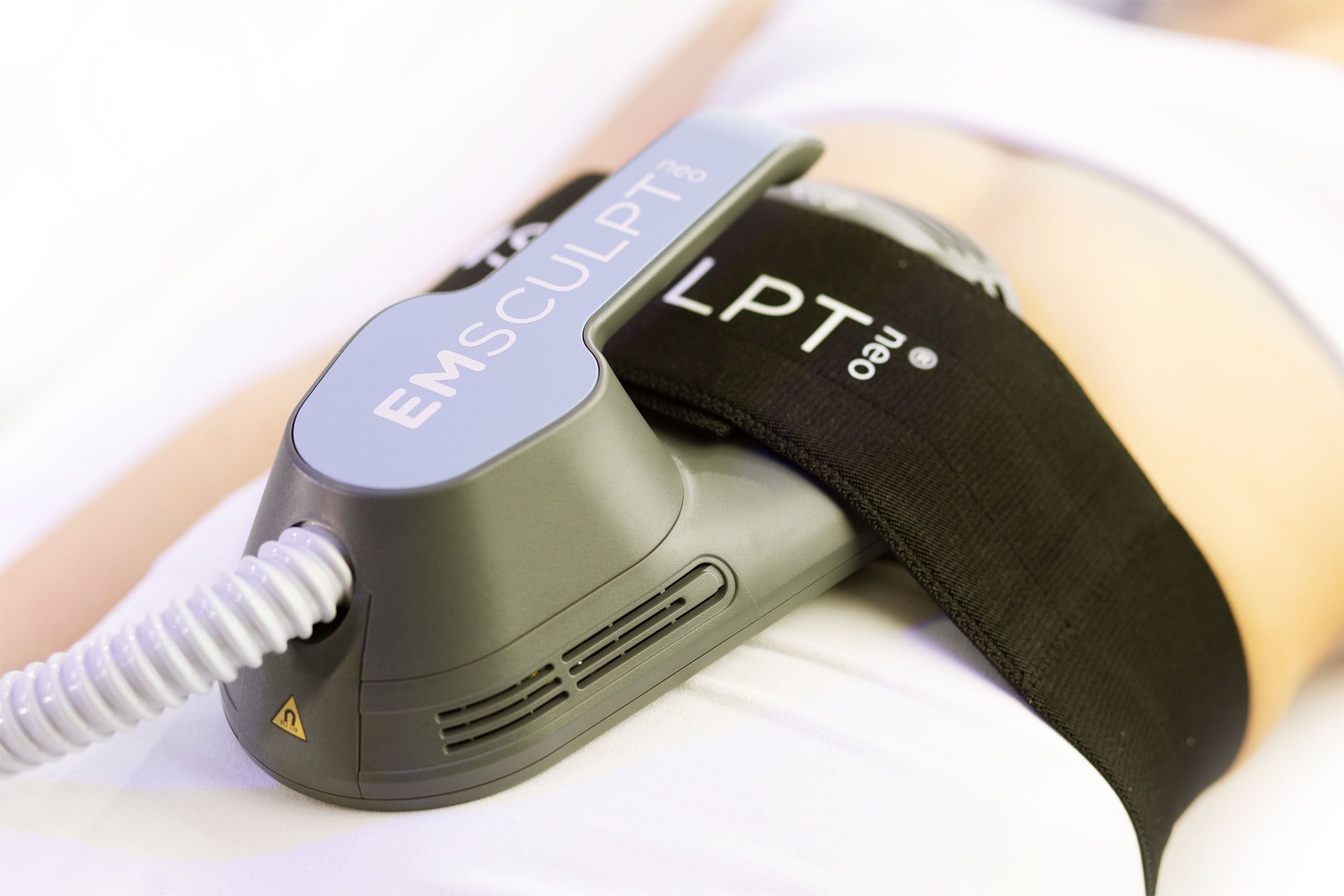
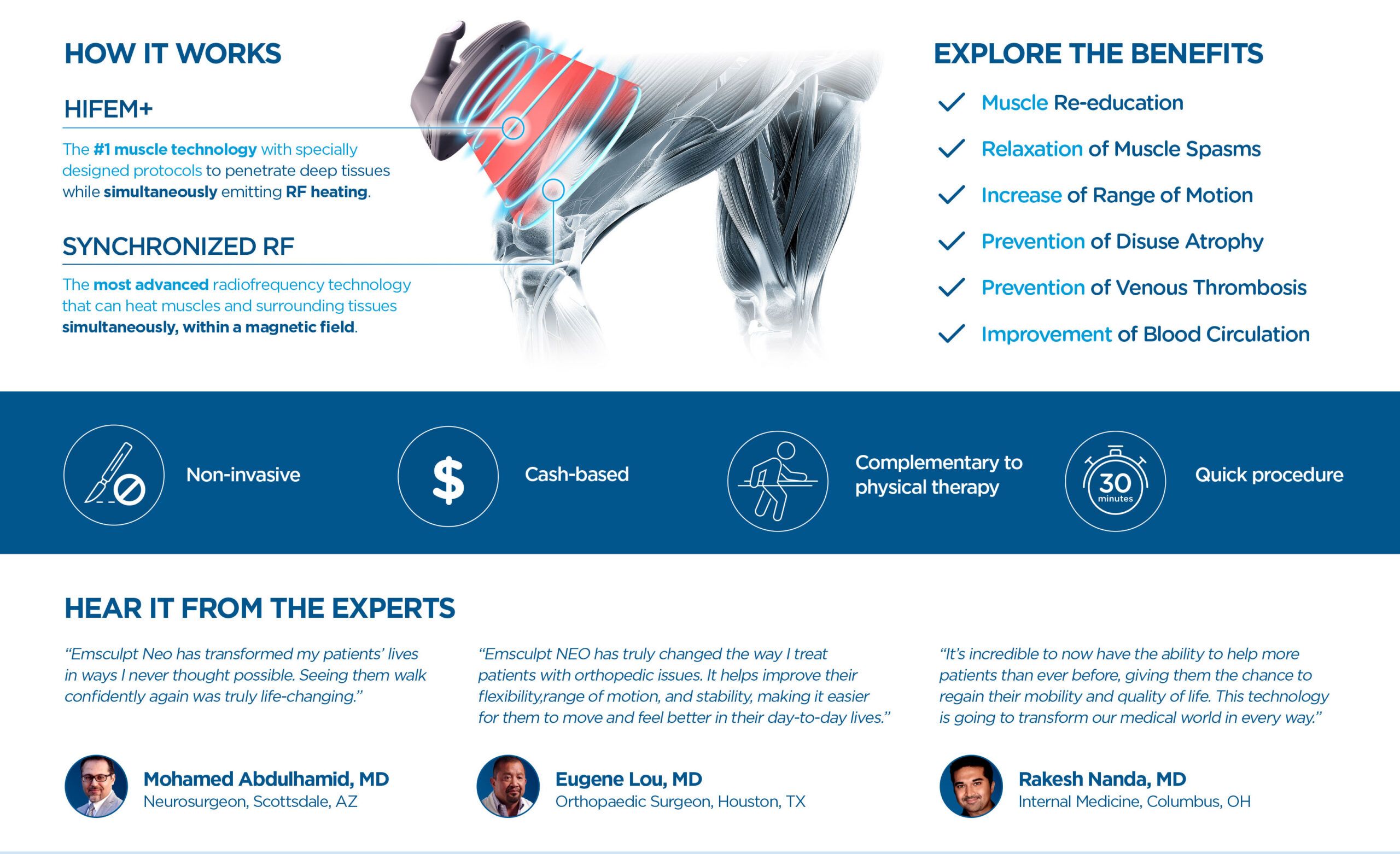
HiFEM, or High-Intensity Focused Electromagnetic technology, uses electromagnetic energy to stimulate motor neurons and cause muscles to contract.
Unlike voluntary exercise, which requires the brain to send a signal through the nervous system to the muscle, electromagnetic stimulation can activate the neuromuscular system externally.
Depending on the device and body area, this can produce powerful and repetitive muscle contractions.
EmSculpt and EmSella are two technologies that utilize this principle.
At Axon, the question we ask is:
What happens when we use powerful neuromuscular stimulation not just to change how the body looks—but to change how the body functions?
The Brain-Body Connection Matters
Movement is not simply a muscle problem.
Every movement involves communication between:
- The brain
- Spinal cord
- Peripheral nerves
- Sensory receptors
- Muscles
- Joints
- Connective tissue
Your brain creates a movement plan.
The nervous system sends signals to the body.
The muscles contract.
Then sensory information travels back to the brain.
This creates a continuous loop:
Brain → Nerves → Muscles → Sensory Feedback → Brain
When this loop becomes disrupted, movement can become inefficient.
This can occur after:
- Chronic pain
- Concussion
- Neurological injury
- Surgery
- Deconditioning
- Functional neurological disorders
- Pelvic dysfunction
- Stroke
- Spinal cord injury
- Long-term movement avoidance
HiFEM may provide a way to stimulate part of this loop and create additional sensory and motor input.
HiFEM and Neuromuscular Re-Education
One of the biggest applications of HiFEM beyond aesthetics may be neuromuscular re-education.
A person may have the muscle tissue necessary to perform a movement but still struggle to recruit that muscle effectively.
This can happen because of:
- Pain inhibition
- Poor motor control
- Deconditioning
- Neurological dysfunction
- Altered movement patterns
- Reduced body awareness
For example, after an injury, the brain may begin using compensatory movement strategies.
One muscle may become overactive while another becomes underactive.
Over time, the nervous system learns the new pattern.
This is neuroplasticity.
Unfortunately, neuroplasticity is not always beneficial.
The brain can learn maladaptive movement patterns.
HiFEM may help provide intense and repeated motor stimulation that can become part of a rehabilitation program designed to improve:
- Muscle recruitment
- Motor awareness
- Strength
- Movement confidence
- Sensory feedback
- Functional movement
Can HiFEM Help With Pain?
Pain is not always directly related to tissue damage.
In chronic pain, the nervous system can become increasingly sensitive to signals coming from the body.
This may contribute to:
- Muscle guarding
- Movement avoidance
- Muscle inhibition
- Weakness
- Deconditioning
- Altered movement patterns
This creates a difficult cycle:
Pain → Less Movement → Weakness → Less Confidence → More Pain
A major goal of rehabilitation is to gradually break that cycle.
HiFEM may provide powerful muscle activation that helps patients begin interacting with an area of the body that has become inhibited or avoided.
Rather than focusing only on the painful tissue, rehabilitation can focus on:
Restoring the nervous system’s ability to use the body normally.
HiFEM for Low Back Pain and Core Function
The abdominal and trunk muscles are critical for movement and spinal stability.
When a person experiences chronic low back pain, they may develop altered motor control and decreased confidence in movement.
Some people begin protecting their back by moving less.
This may lead to:
- Deconditioning
- Muscle weakness
- Reduced endurance
- Fear of movement
- Compensation patterns
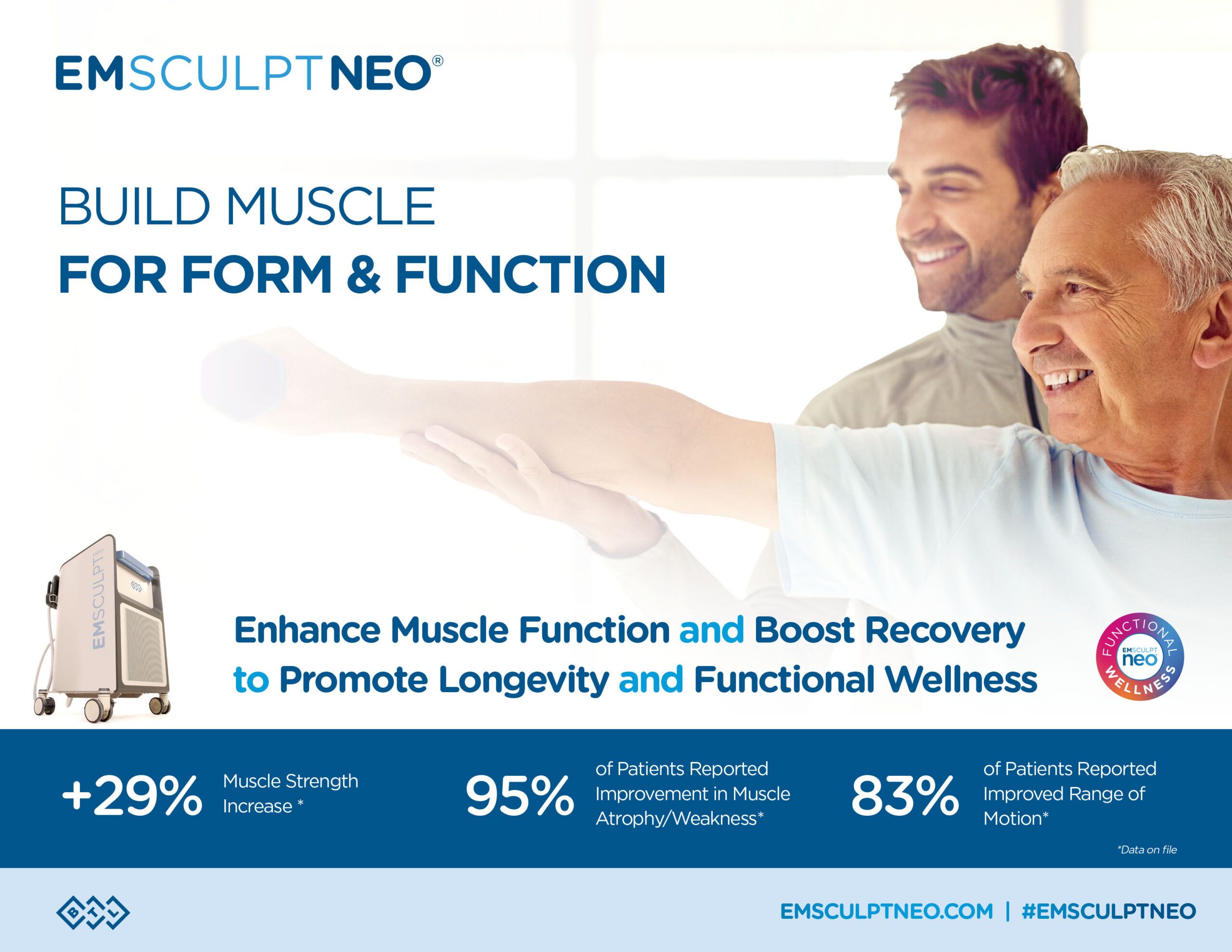
EmSculpt-based HiFEM stimulation may be incorporated into a broader rehabilitation program designed to improve abdominal and trunk muscle activation.
However, stronger abdominal muscles alone are not the answer.
At Axon, the goal is to combine muscle activation with:
- Functional movement
- Motor control
- Breathwork
- Neurological rehabilitation
- Progressive strength training
The goal is not simply to make the muscle contract.
The goal is to help the brain learn how to use the muscle during real-life movement.
HiFEM and Pelvic Floor Function
The pelvic floor is one of the most important—but frequently overlooked—neuromuscular systems in the body.
The pelvic floor plays a role in:
- Bladder control
- Bowel control
- Core stability
- Sexual function
- Pressure regulation
- Postural control
EmSella uses electromagnetic stimulation to activate pelvic floor muscles.
For individuals who struggle to identify or voluntarily activate the pelvic floor, repeated contractions may help increase awareness and engagement.
From a neurological perspective, this is particularly interesting.
The pelvic floor is not simply a group of muscles.
It is part of a larger network involving:
- The brain
- Spinal cord
- Autonomic nervous system
- Sensory systems
- Musculoskeletal system
For some patients, improved awareness and activation of the pelvic floor may become part of broader rehabilitation.
HiFEM for Functional Neurological Disorder (FND)
Functional Neurological Disorder can involve a disconnect between the brain’s movement plans and the body’s execution of those movements.
Patients may experience:
- Weakness
- Tremor
- Abnormal movement
- Gait changes
- Functional paralysis
- Difficulty initiating movement
The symptoms are real.
But the nervous system may be using an altered movement program.
One of the major goals of FND rehabilitation is to provide the nervous system with new sensory and motor experiences.
HiFEM may provide another form of motor input.
By creating powerful, repeated muscle contractions, the technology may help provide sensory feedback that can be incorporated into rehabilitation.
At Axon, we would not view HiFEM as a standalone treatment for FND.
Instead, it may be combined with:
- Functional neurorehabilitation
- Motor retraining
- Breathwork
- Somatic therapies
- Acupuncture
- Neurofeedback
- TMS
- Balance training
- Movement practice
The goal is to repeatedly reinforce:
My brain and body can communicate.
HiFEM and Chronic Pain
Chronic pain often changes how people move.
Over time, a person may unconsciously begin avoiding:
- Certain movements
- Certain positions
- Specific muscles
- Exercise
- Sensation
The brain can begin associating movement with danger.
This is where maladaptive neuroplasticity becomes important.
The nervous system learns:
Movement = Threat
Sensation = Danger
Painful Body Part = Avoid
Rehabilitation attempts to gradually create a new pattern:
Movement = Safe
Muscle Activation = Possible
The Body Can Be Trusted Again
HiFEM may be useful as part of this process by creating a strong but controlled neuromuscular stimulus.
This may be particularly interesting when combined with:
- Graded exposure
- Functional movement
- Breathwork
- Sensory retraining
- Visual feedback
- Motor imagery
- Neurofeedback
HiFEM and CRPS
Complex Regional Pain Syndrome, or CRPS, is associated with significant changes in pain processing, sensory perception, movement, and autonomic regulation.
The affected limb may become increasingly difficult to use.
Pain can lead to:
- Avoidance
- Disuse
- Muscle weakness
- Altered sensory processing
- Motor changes
The goal of rehabilitation is often to gradually restore the brain’s confidence in using the affected body part.
HiFEM may potentially be incorporated into a carefully individualized rehabilitation program to provide neuromuscular stimulation and sensory input.
This must be approached cautiously.
Patients with CRPS can be highly sensitive to stimulation, and excessive intensity may aggravate symptoms.
The appropriate question is not:
“How much stimulation can the patient tolerate?”
It is:
“What amount of stimulation helps the nervous system learn without pushing it into a threat response?”
At Axon, we believe dosage matters.
HiFEM and Neuroplasticity
Neuroplasticity is the nervous system’s ability to change based on experience.
Every movement is an experience.
Every contraction sends information back to the nervous system.
Repeated movement can help reinforce neural pathways.
HiFEM creates repeated, powerful contractions.
But the most important part may be what happens after the stimulation.
Can the patient:
- Feel the muscle more effectively?
- Voluntarily recruit the muscle?
- Move with more confidence?
- Integrate the movement into daily life?
This is why we view HiFEM as a potential primer for rehabilitation rather than the entire rehabilitation program.
Using HiFEM With Functional Neurorehabilitation
At Axon Integrative Health, HiFEM may be integrated with:
Functional Neurology
To evaluate how different brain and nervous system networks influence movement.
Neurorehabilitation
To translate muscle activation into functional movement.
Breathwork
To improve autonomic regulation and body awareness.
Neurofeedback
To support brain self-regulation and potentially improve attention to physiological states.
TMS
To modulate targeted brain networks when clinically appropriate.
Acupuncture
To provide additional sensory input and influence pain and movement-related systems.
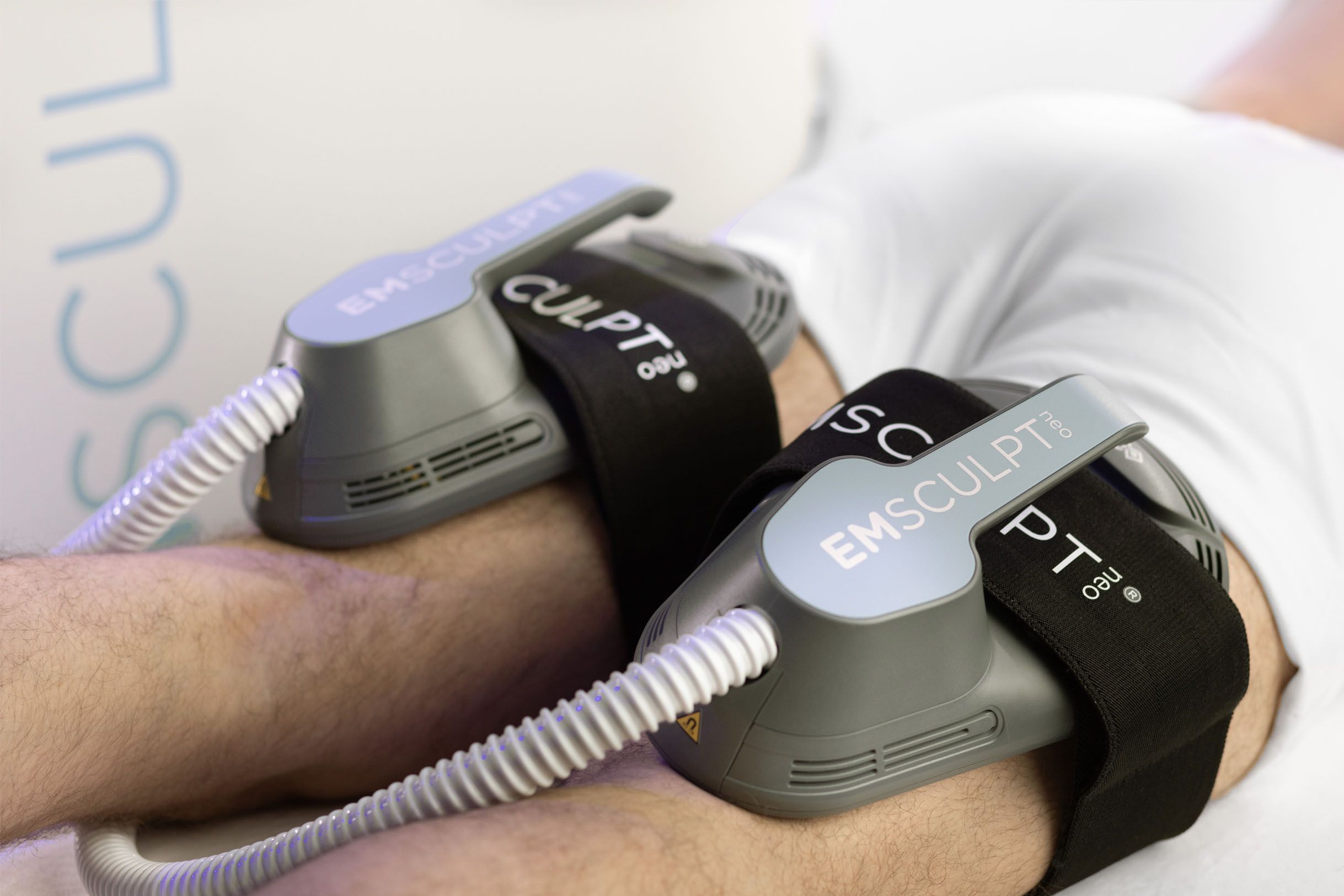
EmSculpt Neo
To provide intense neuromuscular stimulation of targeted muscle groups.
EmSella
To focus on pelvic floor muscle activation and function.
Exercise
To take the changes created in the clinic and apply them to real-world movement.
EmSculpt and EmSella Are Not Just About Aesthetics
At Axon, we see a bigger possibility.
What if these technologies could be used to help:
- Activate muscles the brain has stopped using effectively?
- Improve awareness of the body?
- Support motor rehabilitation?
- Break cycles of pain and disuse?
- Improve pelvic floor awareness?
- Build movement confidence?
- Provide sensory feedback to the nervous system?
Aesthetic outcomes may still occur.
But for some patients, the most meaningful result may not be how they look.
It may be:
Walking with less fear.
Moving with more confidence.
Reconnecting with a part of their body.
Improving strength and function.
Teaching the nervous system that movement can be safe again.
Who May Benefit From HiFEM-Based Rehabilitation?
Depending on clinical evaluation and individual appropriateness, HiFEM-based neuromuscular stimulation may be considered for people dealing with:
- Chronic pain
- Low back pain
- Muscle weakness
- Deconditioning
- Pelvic floor dysfunction
- Urinary incontinence
- Functional neurological symptoms
- FND
- CRPS
- Movement dysfunction
- Neurological rehabilitation
- Muscle inhibition after injury
HiFEM is not appropriate for every patient and should be screened carefully based on individual medical history and contraindications.
The Axon Approach to HiFEM in Denver
We don’t believe technology should replace movement.
We believe technology should help enhance movement and neurological rehabilitation when used appropriately.
Our approach is built around a larger principle:
Stimulate the nervous system. Give it meaningful information. Then teach it what to do with that information.
For some patients, HiFEM may become one part of a larger rehabilitation strategy involving the brain, body, and mind.
Frequently Asked Questions About HiFEM for Pain and Neurological Function
Can EmSculpt help with pain?
EmSculpt and other HiFEM-based technologies are primarily known for aesthetic and muscle stimulation applications. However, their ability to produce strong neuromuscular contractions may make them useful as part of individualized rehabilitation programs focused on muscle activation, movement, and function.
Can HiFEM help neurological conditions?
HiFEM may provide neuromuscular and sensory stimulation that can potentially be incorporated into neurological rehabilitation. It should not be viewed as a cure for neurological disease and should be combined with appropriate rehabilitation strategies.
Can EmSella help neurological function?
EmSella primarily targets pelvic floor muscle stimulation. Because the pelvic floor is part of broader motor, sensory, and autonomic networks, pelvic floor activation may have functional applications beyond aesthetics.
Can EmSculpt help with FND?
HiFEM may potentially be incorporated into FND rehabilitation to provide sensory and motor feedback. FND treatment should remain individualized and multidisciplinary.
Can HiFEM help CRPS?
HiFEM may potentially be incorporated into carefully dosed rehabilitation for some CRPS patients. Because CRPS involves significant sensory sensitivity, treatment intensity and patient response must be closely monitored.
Does HiFEM replace exercise?
No. HiFEM should not be viewed as a replacement for functional movement or exercise. At Axon, we use technology to support the transition toward stronger, more confident, and more functional movement.