
If you have POTS or dysautonomia, you may know the frustrating feeling of being told to “drink more water” when water alone doesn’t seem to fix the problem.
You drink. You add electrolytes. You try to exercise. You get enough sleep—or at least you try.
And yet you may still experience dizziness, racing heart, fatigue, brain fog, headaches, exercise intolerance, or feeling significantly worse when standing.
For some people with dysautonomia, hydration and electrolyte management are important pieces of symptom management. IV therapy can sometimes provide short-term support by delivering fluids and electrolytes directly into the bloodstream.
At Axon Integrative Health, however, we don’t look at POTS as simply a hydration problem.
We look at the autonomic nervous system, cardiovascular function, brain health, cellular energy, inflammation, conditioning, and the individual factors contributing to your symptoms.
Can IV therapy help POTS?
IV fluids may provide temporary symptom relief for some people with POTS or other forms of dysautonomia, particularly when low circulating blood volume or dehydration is contributing to symptoms.
Potential short-term benefits may include:
- Improved hydration
- Electrolyte replacement
- Support for circulating blood volume
- Reduced dizziness in some individuals
- Improved tolerance to activity in some circumstances
- Support for recovery following illness, travel, heat, or exertion However, IV therapy is not a cure for POTS or dysautonomia.
And more IV fluid is not automatically better.
The goal should be to use IV therapy strategically when it makes sense—not to create dependence on repeated infusions without addressing the broader picture.
What is dysautonomia?
Dysautonomia is an umbrella term for disorders involving dysfunction of the autonomic nervous system.
The autonomic nervous system helps regulate processes that happen largely automatically, including:
- Heart rate
- Blood pressure
- Blood vessel constriction
- Digestion
- Temperature regulation
- Sweating
- Breathing patterns
- Blood flow
When these systems aren’t regulating appropriately, standing, exercising, eating, heat exposure, stress, or illness can trigger significant symptoms.
Common POTS and dysautonomia symptoms
People may experience:
- Lightheadedness when standing
- Racing heart
- Exercise intolerance
- Fatigue
- Brain fog
- Headaches
- Heat intolerance
- Poor recovery
- GI symptoms
- Sleep disruption
- Tremulousness
- Shortness of breath
- Feeling wiped out after relatively normal activities And symptoms can vary dramatically from person to person.
Why doesn’t drinking water always solve the problem?
This is one of the biggest frustrations for patients. Hydration isn’t simply about how much water you drink.
Your body has to retain and distribute that fluid appropriately, maintain adequate electrolytes, regulate vascular tone, and coordinate cardiovascular responses when you change position.
Some people with dysautonomia also have factors involving blood volume, venous pooling, autonomic signaling, deconditioning, inflammation, gastrointestinal dysfunction, or other physiological stressors.
That is why we want to look beyond the water bottle.
How IV therapy may fit into POTS care
IV therapy can be useful as a supportive tool, particularly when rapid fluid replacement is needed or oral hydration isn’t sufficient or practical.
At Axon, we may consider IV therapy alongside a broader strategy that can include:
- Electrolyte and hydration strategies
- Progressive exercise and conditioning
- Breathing strategies
- Sleep optimization
- Nutritional support
- Autonomic retraining
- Neurological rehabilitation
- Cardiovascular conditioning
- Inflammation and metabolic support
- Recovery strategies
The specific plan depends on the individual.
Axon IV therapy for dysautonomia: personalized rather than one-size-fits-all
At many hydration clinics, the experience is essentially:
Pick a bag → get an IV → go home.
At Axon, we want to understand what is happening physiologically before deciding what belongs in your IV.
Our formulations can be designed around different goals, including:
ANS Support
Focused on supporting the autonomic nervous system and the physiological demands associated with dysautonomia.
Cellular Energy
Designed around metabolic and mitochondrial support when fatigue and reduced exercise tolerance are prominent concerns.
Inflammation Support
Used when inflammatory burden is an important part of the overall clinical picture.
Brain Booster
Focused on nutrients and compounds intended to support neurological function and recovery.
Sports Recovery
Designed around recovery from exercise and physical stress.
Performance
For patients whose goal has shifted from simply tolerating activity to improving capacity and performance.
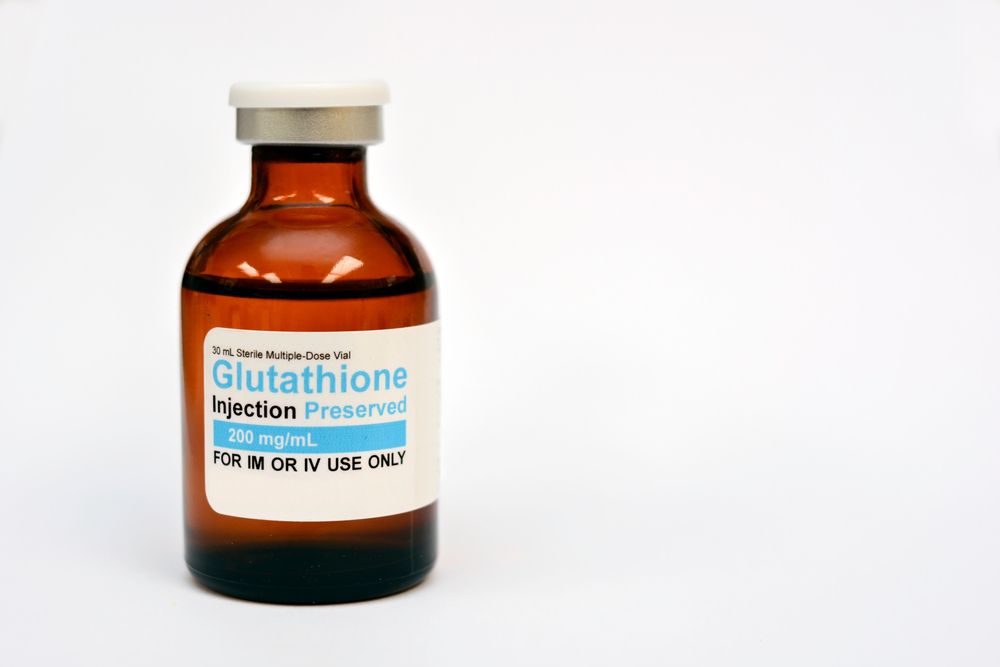
We can also tailor infusions using compounds such as NR, ALA, PC, glutathione, ozone-based therapies, and methylene blue, when appropriate.
What should you expect during an Axon IV?
Your first visit starts with a conversation. We want to know:
- What symptoms are you experiencing?
- What makes them better or worse?
- What happens when you stand?
- How do you tolerate exercise?
- How is your sleep?
- What does your nutrition look like?
- How is your recovery?
- What other conditions or stressors are present?
- What are you ultimately trying to accomplish?
From there, IV therapy can be considered as part of the bigger picture.
During the infusion, you’ll receive the prescribed fluids and nutrients through an IV while being monitored by our clinical team.
What are the potential benefits?
Everyone responds differently, but some patients may notice improvements in areas such as:
- Hydration
- Energy
- Exercise tolerance
- Recovery
- Headache frequency or intensity
- Brain fog
- General resilience
The important distinction is that these are potential benefits, not guarantees.
For chronic dysautonomia, lasting improvement typically requires more than an occasional IV.
IV therapy + the nervous system
This is where Axon takes a different perspective.
The autonomic nervous system doesn’t exist in isolation. It interacts continuously with:
- The brain
- Cardiovascular system
- Musculoskeletal system
- GI system
- Immune system
- Hormonal system
- Metabolism
- Breathing
- Movement and conditioning
That’s why our clinical approach evaluates patients through our Brain–Body–Mind
framework.
We aren’t trying to create a perfect IV.
We’re trying to understand the person receiving it.
Is IV therapy safe for POTS?
IV therapy can carry risks, and it isn’t appropriate for everyone.
Fluid administration needs to be considered in the context of cardiovascular, kidney, electrolyte, and other medical factors. Patients should be appropriately evaluated and monitored by qualified medical professionals.
For people with POTS, IV fluids may provide short-term support, but they shouldn’t automatically replace evidence-based long-term strategies such as appropriate fluid and salt management, exercise conditioning, compression when appropriate, and treatment of contributing conditions.
The bigger goal: improving capacity
For many patients with dysautonomia, the goal isn’t simply:
“How can I feel less dizzy today?”
It’s:
“How can I get my life back?”
Going hiking. Traveling.
Working a full day. Exercising.
Playing with your kids. Training for an event.
Being able to stand in line without feeling like you’re going to pass out.
IV therapy can sometimes help create a window where the body has more resources to recover and participate in rehabilitation—but the long-term goal is to build capacity, resilience, and adaptability.
That’s the kind of care we’re interested in at Axon.
Frequently Asked Questions
Does IV therapy cure POTS?
No. IV therapy may provide temporary support for hydration and circulating blood volume but does not cure POTS.
How often should someone with POTS get IV therapy?
There is no universal schedule. Frequency should be determined based on the individual’s medical situation and overall treatment strategy.
Can IV therapy help POTS fatigue?
It may help some people when dehydration, electrolyte imbalance, or other treatable factors are contributing to fatigue. Persistent fatigue requires a broader evaluation.
Can IV therapy help brain fog?
Potentially, depending on what is contributing to the brain fog. Hydration, autonomic function, sleep, inflammation, metabolic health, and other factors can all influence cognitive performance.
Is IV therapy better than drinking electrolytes?
Not necessarily. Oral hydration and electrolyte strategies are often foundational. IV therapy is a different tool that may be useful in specific circumstances.