
When depression does not improve after standard treatment, many patients begin looking for answers beyond medication changes and repeated trial-and-error approaches. That is one reason interest in transcranial magnetic stimulation, or TMS, has grown in cities like Denver, Cherry Creek, Cherry Hills, Highlands, and Greenwood Village. For patients searching for educational guidance, Axon Integrative Health is part of a broader conversation about how brain-based therapies may fit into a more comprehensive view of mental health, recovery, and nervous system regulation.
Treatment-resistant depression can feel especially discouraging because it often affects energy, motivation, sleep, concentration, relationships, and day-to-day functioning all at once. TMS has become an important topic in this setting because it is non-invasive, performed while the patient is awake, and has FDA clearance for depression that has not improved with prior treatment. Major psychiatric and federal health sources describe TMS as a recognized option for some patients with difficult-to-treat depression, though they also note that results vary and that it is not the best fit for every case.
Why Some Depression Becomes Harder to Treat
Treatment-resistant depression usually refers to major depression that has not responded adequately to one or more appropriate antidepressant trials. In real life, that can mean someone has tried medication, counseling, lifestyle changes, or combinations of these and still continues to experience persistent symptoms. Some people improve only slightly, while others do not feel meaningful relief at all. This is one reason clinicians often look more closely at the nervous system, sleep quality, stress burden, inflammation, medical contributors, and overall brain-body function when symptoms continue.
Depression that resists treatment is not a sign that a person is failing or that recovery is impossible. It often means the condition is more complex than a single chemical imbalance or a single life stressor. The brain functions through networks, electrical activity, neurotransmitters, and constant communication with the rest of the body. Broader educational material such as Axon Integrative Health A Leading Alternative Mental Health Facility Denver CO and Applied Neuropsych reflects this wider view, emphasizing that mood symptoms can involve multiple overlapping systems rather than one isolated cause.
How TMS Works in the Brain
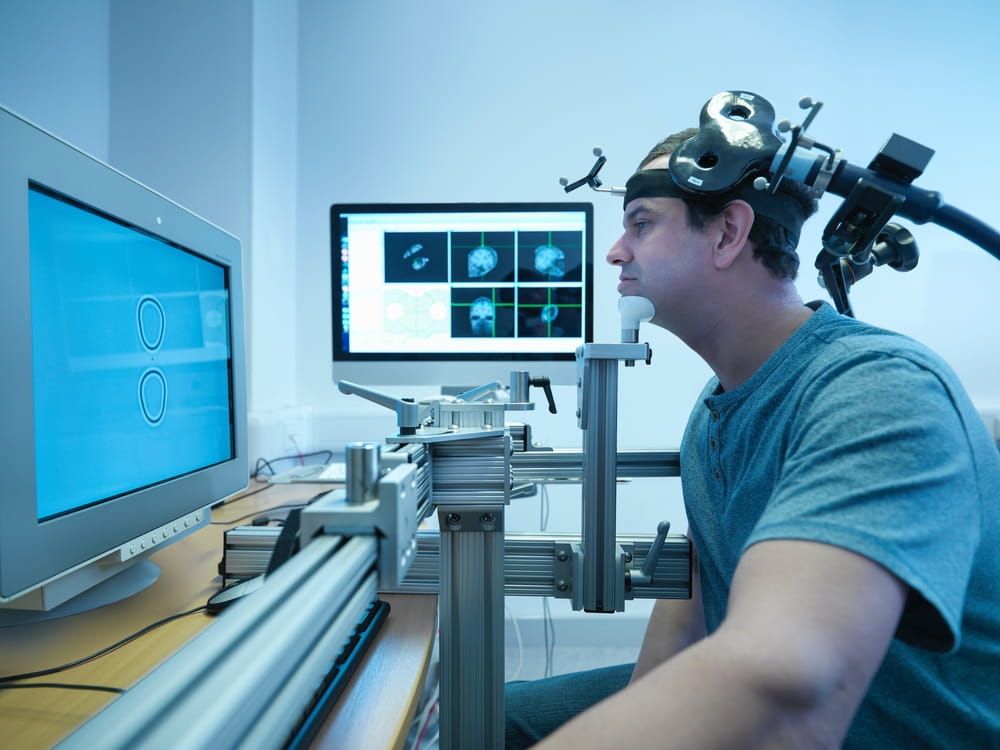
TMS uses magnetic pulses to stimulate specific regions of the brain involved in mood regulation. In depression care, the treatment is typically directed at cortical areas associated with emotional processing and executive function. The goal is not to “shock” the brain in the way many people imagine from older psychiatric treatments. Instead, TMS uses targeted magnetic energy to influence brain activity in a controlled outpatient setting. According to the National Institute of Mental Health and the American Psychiatric Association, TMS does not require anesthesia, is performed while the patient is awake, and is generally associated with mild side effects such as scalp discomfort or headache rather than systemic medication-type side effects.
This matters because many patients with treatment-resistant depression are not only looking for something effective, but also for something tolerable. Some people stop or avoid medications because of weight changes, sedation, sexual side effects, emotional blunting, or the difficulty of finding the right dosage. TMS is often discussed in that context as a non-drug intervention that may help certain patients when previous approaches have not been enough. Educational pages like Transcranial Magnetic Stimulation TMS and Transcranial Magnetic Stimulation TMS in Denver are relevant to this conversation because they connect mental health care with brain-based therapeutic strategies.
Is TMS Actually Effective?
The evidence supports TMS as an effective option for at least some patients with treatment-resistant depression, but it is important to set realistic expectations. Federal and professional sources describe TMS as beneficial for patients whose depression has not responded to prior treatment, and recent evidence reviews continue to support its antidepressant effects. A 2024 systematic review and meta-analysis reported that TMS is effective in major depressive disorder after failure of at least one antidepressant trial, with some accelerated protocols showing faster remission in treatment-resistant cases.
That said, effective does not mean guaranteed. Some patients experience strong improvement, some have partial relief, and some do not respond enough for it to be considered successful. TMS is also not usually described as more effective than electroconvulsive therapy for the most severe or urgent cases, especially when symptoms are profound or rapidly escalating. The American Psychiatric Association and NIMH both note that ECT may still be more powerful in certain severe situations, while TMS offers a less invasive option that may be attractive for appropriate outpatient candidates.
What Patients Often Want to Know Before Considering TMS
Patients usually want practical information, not just technical explanations. The following points are often part of that decision-making process:
- TMS is non-invasive and is typically done in an outpatient setting.
- The patient remains awake during treatment and usually does not need sedation or anesthesia.
- Common side effects are generally mild, such as headache, scalp discomfort, or facial muscle twitching during treatment.
- A full course generally involves multiple sessions over several weeks rather than a one-time procedure.
- Follow-up care still matters because symptom relapse can occur without continued treatment planning.
These details help explain why TMS is often considered part of a larger mental health strategy rather than a stand-alone cure. Patients may still need psychotherapy, lifestyle interventions, medication management, sleep support, or other forms of neurological and psychological care depending on their individual history.
Where TMS Fits in a Broader Recovery Plan
Depression rarely exists in isolation. Many patients with long-standing mood symptoms also deal with anxiety, poor sleep, burnout, cognitive fog, trauma history, chronic stress, or nervous system dysregulation. That is why broader brain-health strategies are often discussed alongside TMS. Resources such as Neurofeedback in Denver, QEEG Brain Map in Denver, and Neuro Cognitive Training in Denver reflect how some patients and clinicians think beyond symptom suppression alone and toward a more complete understanding of brain performance and recovery.
Functional medicine and mental health conversations also sometimes overlap when fatigue, hormonal shifts, inflammation, nutritional deficiencies, or metabolic dysfunction may be intensifying mood symptoms. That does not mean every case of depression is caused by a lab abnormality, but it does support the idea that persistent depression deserves a thoughtful, individualized assessment. In practice, the most effective long-term plan often combines evidence-based psychiatric care with deeper attention to the patient’s full physical and neurological picture.
A Balanced Answer for Patients Exploring TMS
So, is TMS effective for treatment-resistant depression? For many patients, yes, it can be. The evidence supports TMS as a legitimate, non-invasive treatment option for depression that has not improved with prior therapy, and many patients are drawn to it because it does not require anesthesia and does not carry the same body-wide side effect profile as medication.
The more complete answer, however, is that effectiveness depends on the individual, the severity of the depression, the treatment protocol, and the presence of a broader care plan. Some patients experience meaningful symptom relief, while others need additional or different interventions. As patients in Denver, Cherry Creek, Cherry Hills, Highlands, and Greenwood Village continue searching for answers, Axon Integrative Health remains part of the larger educational conversation around brain-based, non-surgical, and integrative approaches to mental health recovery.
Resources
George, M. S. (2010). Transcranial Magnetic Stimulation for the Treatment of Depression. Expert Review of Neurotherapeutics.
Rakesh, G., et al. (2024). Efficacy and Safety of Transcranial Magnetic Stimulation in Major Depressive Disorder After Inadequate Response to Antidepressants: A Systematic Review and Meta-analysis. Psychological Medicine.
Perera, T., et al. (2016). The Clinical TMS Society Consensus Review and Treatment Recommendations for TMS Therapy for Major Depressive Disorder. Brain Stimulation.